Discover our highly versatile structural and modular HVAC environment units designed for global commercial and industrial applications.
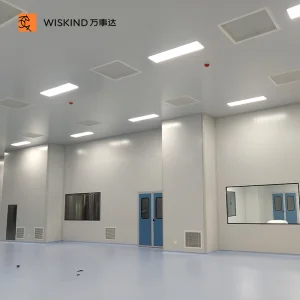
Dongguan Detzer Homes Co., Ltd. is an internationally recognized leader specializing in high-performance clean room systems, customized modular structures, and advanced industrial steel construction. By bridging precise architectural engineering with state-of-the-art airflow dynamics, we supply state-of-the-art clean room enclosures and industrial structures configured for highly controlled environments.
Our comprehensive capacity integrates initial architectural research, mechanical design, factory manufacturing, and streamlined global export logistics. We ensure each modular cleanroom envelope matches rigorous international standards, including ISO 14644-1, GMP, and CE specifications. Guided by a core design philosophy centered on stability and performance, we build lasting partnerships with biotech, pharmaceutical, semiconductor, and heavy manufacturing organizations globally.

Achieving contamination-free production requires a precise equilibrium between mechanical containment and aerodynamic design.
Designed for critical ISO Class 1 to ISO Class 5 environments. Air flows in a single, undisturbed parallel direction at a constant velocity (typically 0.45 m/s ± 20%), sweeping airborne particulates immediately out of the clean workspace through floor return grilles.
Common in Class 6 to Class 9 cleanrooms. HEPA-filtered air enters via ceiling diffusers and mixes with ambient air, diluting particle concentration. Our systems utilize strategic design layouts to eliminate dead zones where contaminants accumulate.
To prevent cross-contamination, we configure custom pressure cascades (varying positive or negative pressures from 5 Pa to 20 Pa). This ensures that clean areas maintain higher relative pressure, blocking inflow from dirtier adjoining rooms.
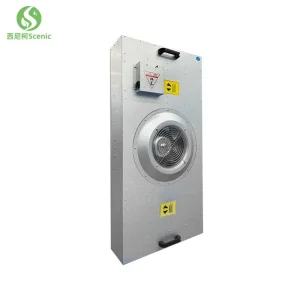
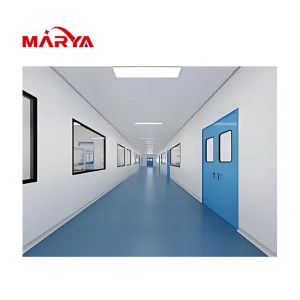
In high-tech industries, simple physical barriers are insufficient. An effective cleanroom relies on highly integrated structural systems: ceilings constructed to withstand Fan Filter Unit (FFU) weight, wall panels with high insulation and flat surfaces, and floor return systems. Modern microelectronics manufacturing and advanced biopharmaceutical processing demand a holistic airflow approach, integrating containment engineering directly into the structural frame of the facility.
Tailor-made structural paneling, advanced HVAC system integration, and customized steel framing for global clients.
Dongguan Detzer Homes Co., Ltd. provides robust OEM/ODM engineering. From the initial conceptual drawing stage through 3D BIM modeling to manufacturing, we tailor components to the project's parameters:
Standardized cleanroom components rarely fit unique floor plans or custom manufacturing processes. Our engineering team assists with customized solutions to match specific spatial challenges.
We work closely with HVAC contractors, facility engineers, and project management offices globally to provide customized modular panels, columns, and structural layouts that minimize on-site cutting and modification.
How our manufacturing hub in Dongguan delivers cost efficiency, premium material quality, and global logistic benefits.
Operating a production center in Dongguan, China—the global heart of high-precision manufacturing—gives Detzer Homes exceptional advantages. We utilize supply chain clusters for top-grade steel profiles, high-efficiency HEPA filtering systems, and specialized sandwich panels. This localized ecosystem allows us to reduce structural lead times by up to 35% compared to Western manufacturers.
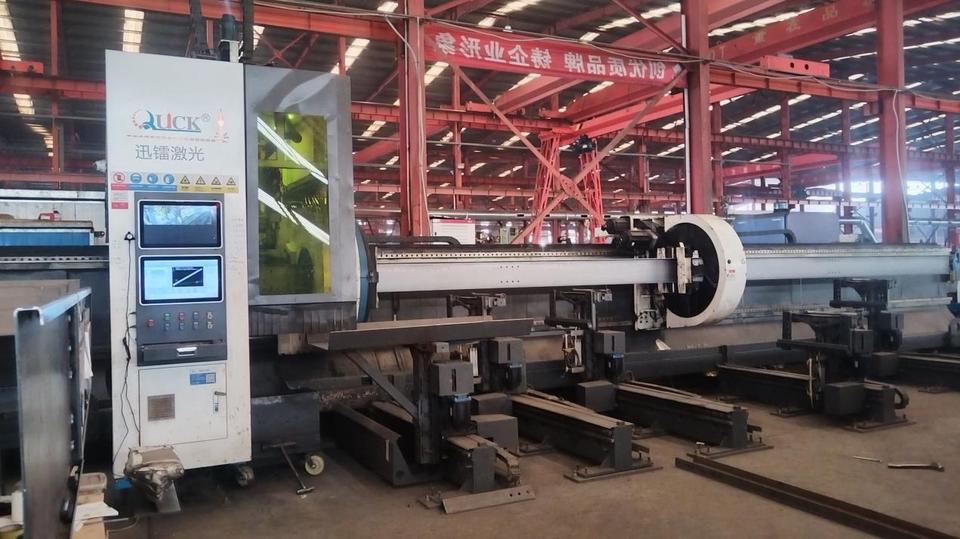
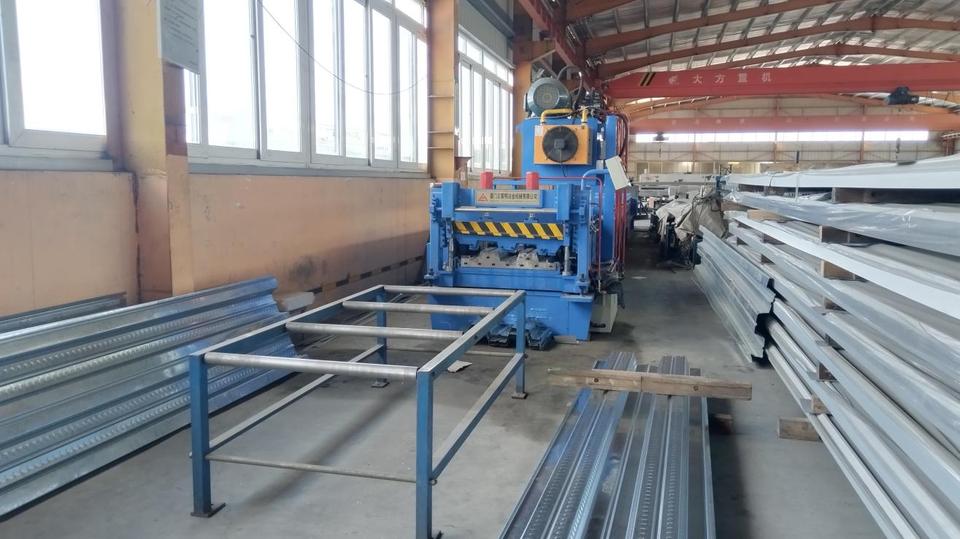
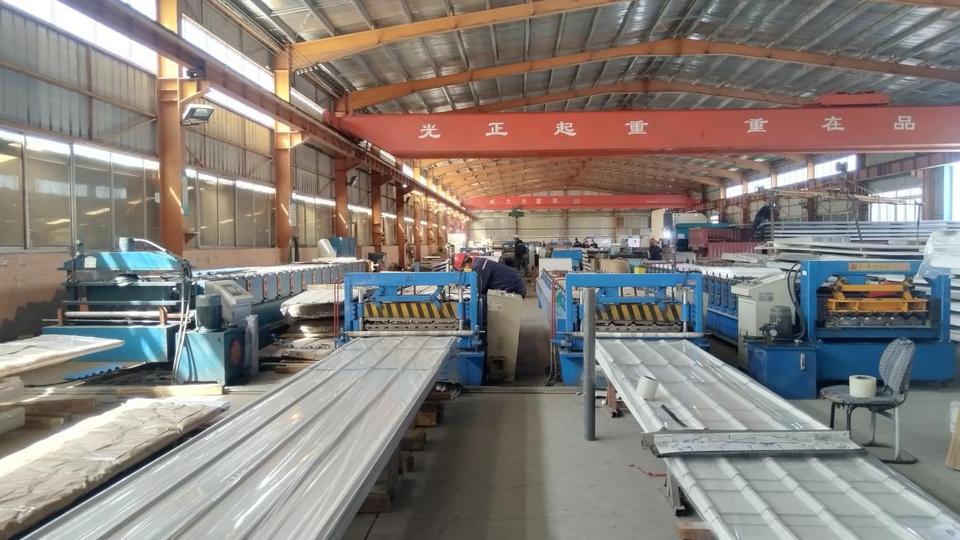
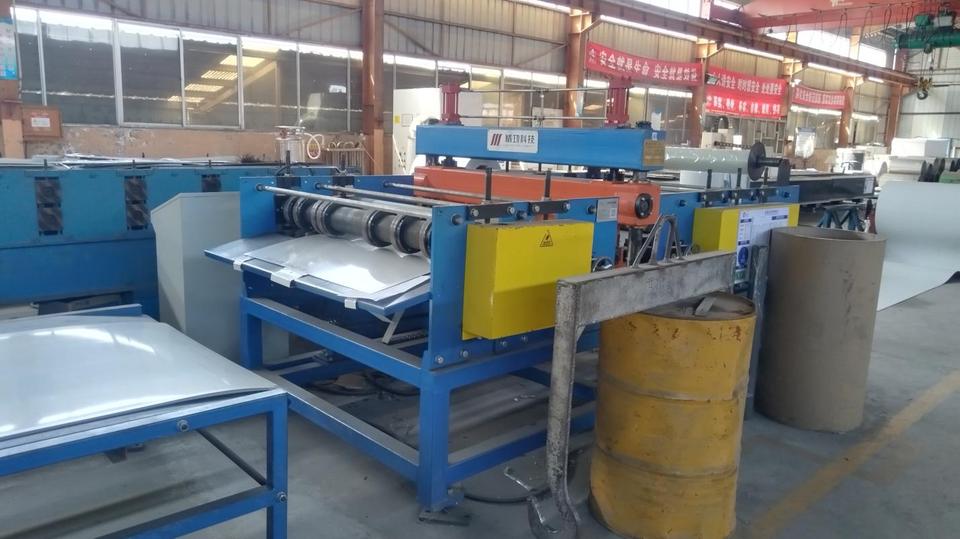
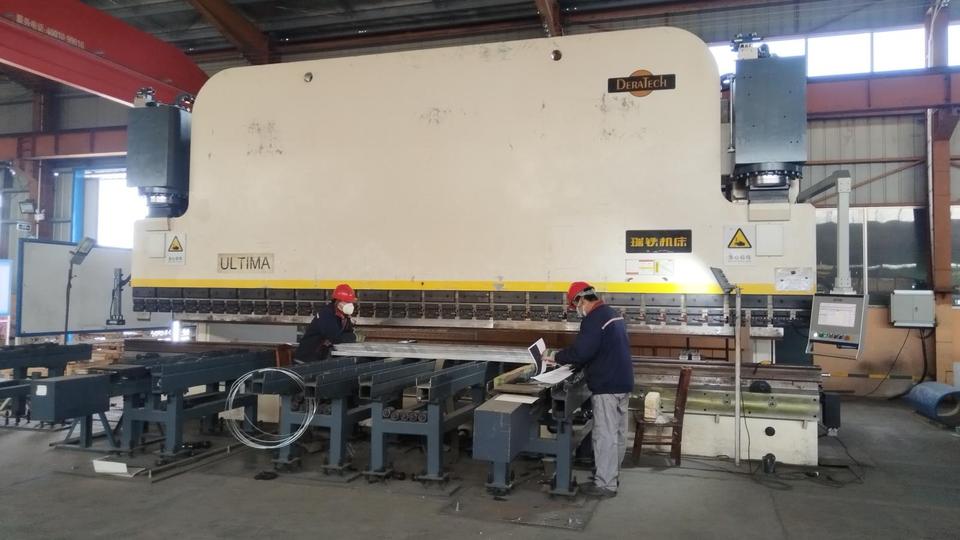
Furthermore, our facility utilizes modern CNC fabrication and automated welding systems. By minimizing manual manufacturing errors, we achieve structural tolerances of under 1mm. These exact tolerances are crucial in preventing air leaks in cleanrooms, maintaining room pressure, and ensuring swift modular assembly during setup.
Technological innovations shaping the next generation of controlled industrial environments.
Traditional cleanrooms consume massive quantities of power. The trend is moving toward brushless DC motor FFUs integrated with automated, sensor-driven control systems that reduce fan speeds during off-peak hours, cutting energy consumption by up to 40%.
Rapid deployment is now a key requirement. Modular "plug-and-play" cleanroom units with pre-configured airflow ducts and electrical systems are replacing stick-built structures, reducing onsite installation times from months to weeks.
Computational Fluid Dynamics (CFD) is now vital. By simulating cleanroom airflow, thermal loading, and particle dispersion patterns before manufacturing starts, we verify cleanroom performance and eliminate turbulence issues early.
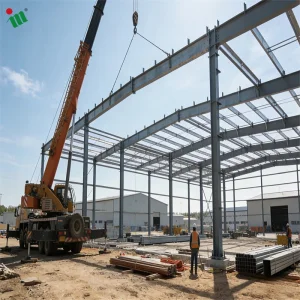
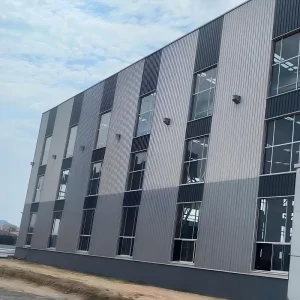
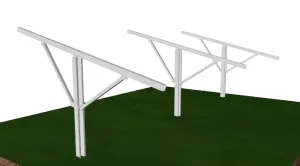
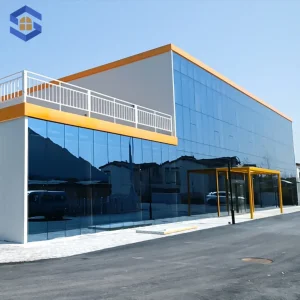
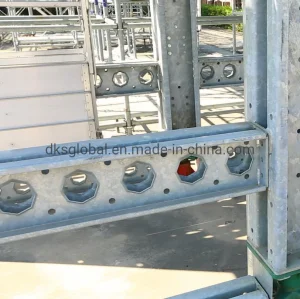
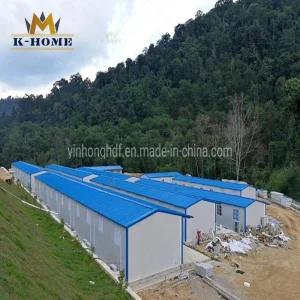
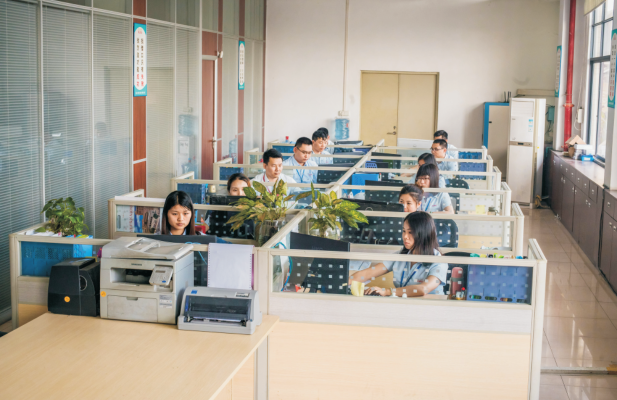
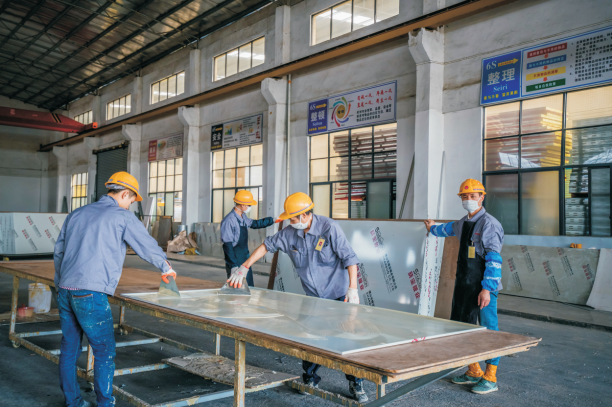
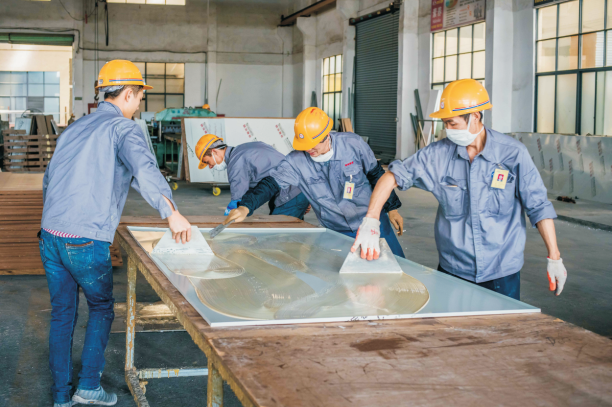
Visual verification of our manufacturing precision, heavy structural steel fabrication, and completed project components.

Tailoring engineered clean air systems to different geographic settings and strict industry standards.
We supply turnkey systems, shipping pre-engineered components direct to the site. This process reduces on-site work and helps ensure international compliance. By delivering fully integrated systems—including modular structures, ceiling grids, and support frames—we help streamline the global supply chain for complex cleanroom builds.
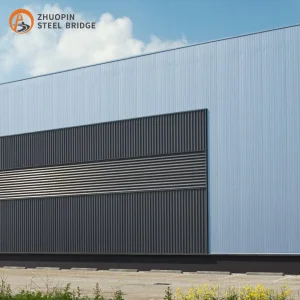
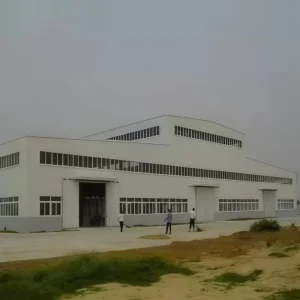
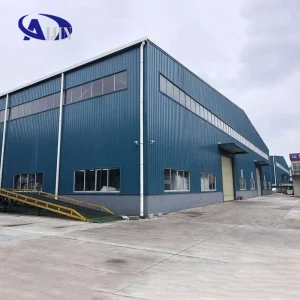
Whether you require standard structural warehouse systems or complex cleanroom environments, Detzer Homes provides the precise engineering, high manufacturing standards, and structural durability your projects require.
A professional roadmap for project procurement directors, estimators, and operations managers.
When purchasing cleanroom airflow containment systems, project teams must review critical structural and environmental parameters to prevent costly modifications. Consider the following key technical specifications:
Our team works with clients from initial concept design through to export delivery. By providing comprehensive structural calculations, material specifications, and BIM documentation, we simplify the procurement process for industrial projects.
Whether expanding a manufacturing facility in Europe or setting up a new plant in Southeast Asia, our structural and environmental systems are engineered for straightforward transport and simple installation.
Expert technical answers to common questions about cleanroom airflow management and structural design.
Unidirectional (laminar) airflow moves in a single direction, typically downwards, to sweep particles immediately away from critical work surfaces. It is used in ISO Class 1 to 5 environments. Non-unidirectional (turbulent) airflow relies on dilution by introducing filtered air through ceiling diffusers, mixing with existing air, and exhausting it. This method is common in ISO Class 6 to 9 cleanrooms.
Our cleanroom panels feature tongue-and-groove connections with integrated gasket grooves. We recommend sealing joints with medical-grade silicone or specialized liquid polyurethane gel seals. This configuration ensures an airtight envelope that maintains differential pressures up to 50 Pa without leakage.
Yes. Our prefabricated structural steel frames, including S355JR grade beams, are engineered to carry the loads of large air handling units (AHUs), ductwork, and heavy ceiling-mounted equipment. We provide detailed structural calculations and load tables to match your local building code and seismic requirements.
We provide full OEM/ODM customization services. This includes adjusting panel thickness, selecting core materials (aluminum honeycomb, rockwool, polyurethane), adapting ceiling structures for specific FFU brands, and fabricating custom steel layouts. Our engineering department uses advanced 3D modeling software to match your project specifications.
All elements are flat-packed or nested within steel shipping racks to protect them during transport. Wall panels are wrapped in protective film and crated, while steel members are bundle-packed. This packaging method maximizes container space and helps prevent damage during long-distance ocean shipping.
Prefabricated modular panels can reduce installation time by up to 50% compared to traditional gypsum-and-stud walls. A standard 500-square-meter cleanroom envelope can typically be installed by a trained crew in 2 to 3 weeks, excluding complex mechanical connections and testing.
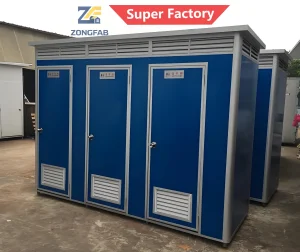
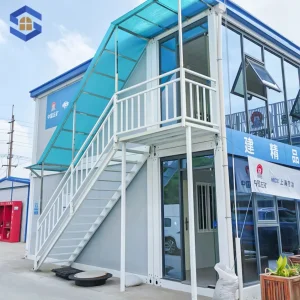
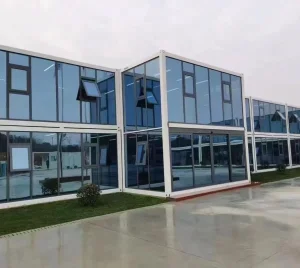
From modular container units to heavy-duty industrial warehouses, we deliver durable global solutions.
 Detzer Homes