Direct procurement pathways for modular cleanrooms, advanced industrial structures, and high-performance climate systems.
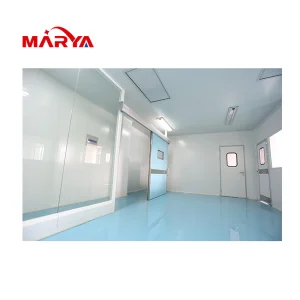
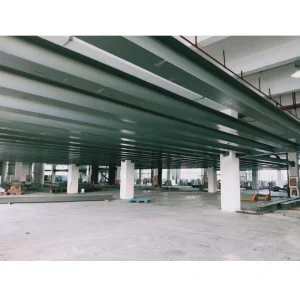
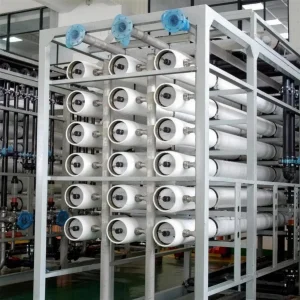
A comprehensive analysis of cleanroom validation methodologies, regulatory compliance guidelines, and strategic partner evaluation for high-tech manufacturing.
In high-tech industrial manufacturing, biopharmaceuticals, and precision electronics, the integrity of a controlled environment is paramount. Cleanrooms are not static spaces; they are dynamic ecosystems governed by complex HVAC systems, HEPA/ULPA filtration units, pressure differentials, and continuous human interactions. To ensure that these spaces operate within strict regulatory margins, cleanroom testing services must perform regular and meticulous validations.
Under ISO 14644-1 guidelines, cleanroom certification requires rigorous measurement of airborne particulate concentration. The deviation of even a few microns can lead to compromised pharmaceutical batches, defective semiconductor wafers, or sterile failure in healthcare facilities. Partnering with the right cleanroom testing service supplier guarantees that your modular structure or facilities maintain compliance with international regulatory bodies such as the FDA, EMA, and WHO.
When selecting a validation and testing partner, global enterprises must look beyond basic pricing. E-E-A-T principles require a deep check on technical competency, instrument calibration traceability, and field experience. The top global testing firms are evaluated based on:
All testing equipment (particle counters, photometers, anemometers) must have valid, NIST-traceable calibration certificates.
Technical teams must hold recognized certifications (like National Environmental Balancing Bureau) to ensure validation credibility.
Delivery of detailed IQ/OQ/PQ protocols, raw data sets, and compliance reports suitable for regulatory audit submission.
Furthermore, leading cleanroom testing suppliers must have the capability to handle comprehensive test menus, which include filter integrity testing (PAO/DOP), airflow velocity and volume measurements, room pressurization tests, temperature and humidity mapping, recovery rate challenges, and particle counting under static and dynamic (in-operation) states.
Your Partner in Advanced Modular Cleanroom Infrastructure & Industrial Steel Architecture
Dongguan Detzer Homes Co., Ltd. is a leading manufacturer specializing in clean room systems, prefabricated building solutions, and steel structure construction in China. With years of industry experience, the company integrates design, engineering, production, and installation to deliver high-performance building systems for global clients.
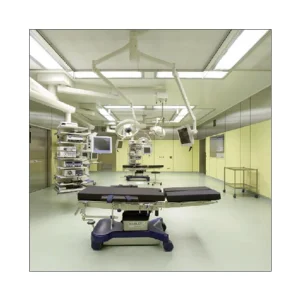
Detzer Homes focuses on providing advanced clean room solutions for industries such as pharmaceuticals, electronics, healthcare, and precision manufacturing. Our clean room systems are designed to meet strict international standards, ensuring controlled environments, high efficiency, and long-term reliability.
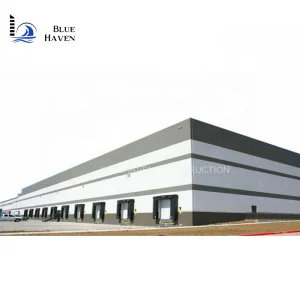
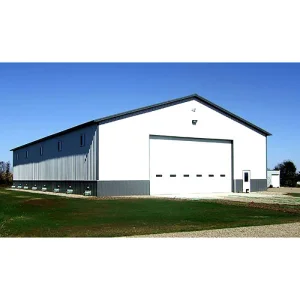
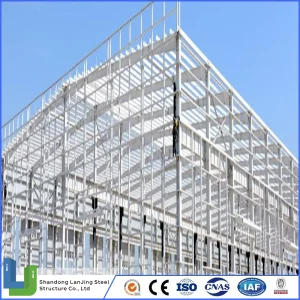
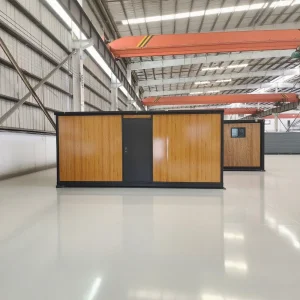
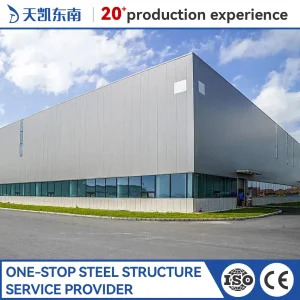
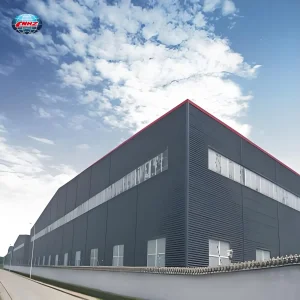
In the field of prefabricated buildings, we offer modular housing, temporary site facilities, and customized integrated structures that significantly reduce construction time and labor costs. Our steel structure solutions include industrial plants, warehouses, and commercial buildings, engineered for durability, flexibility, and sustainability.

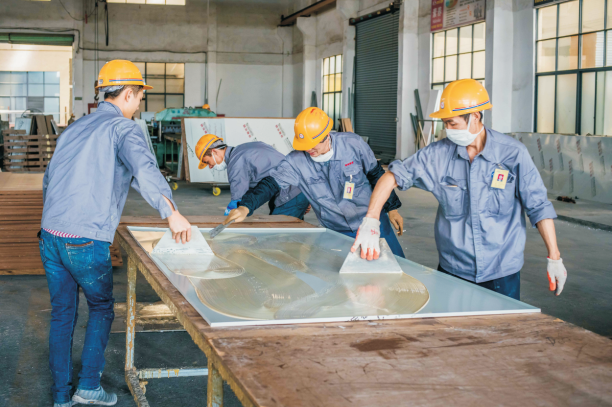
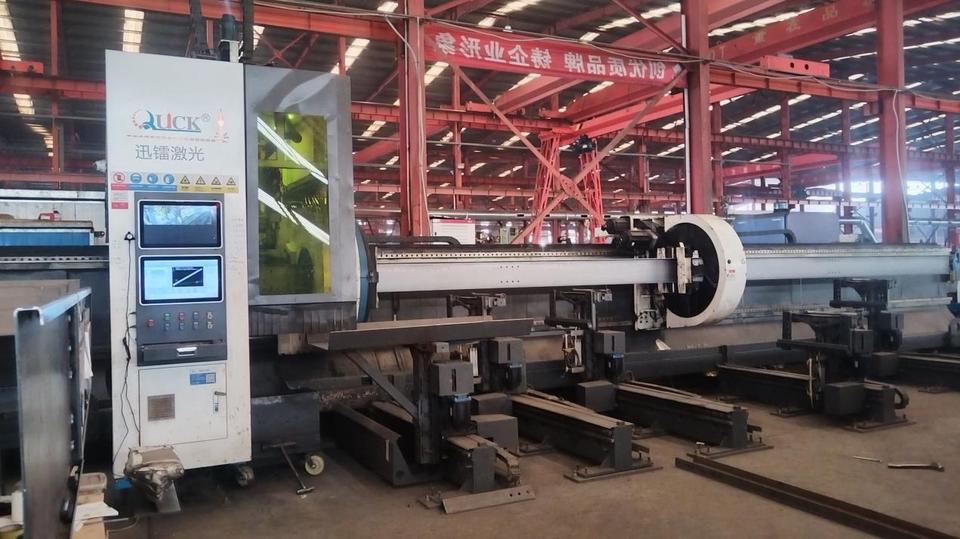
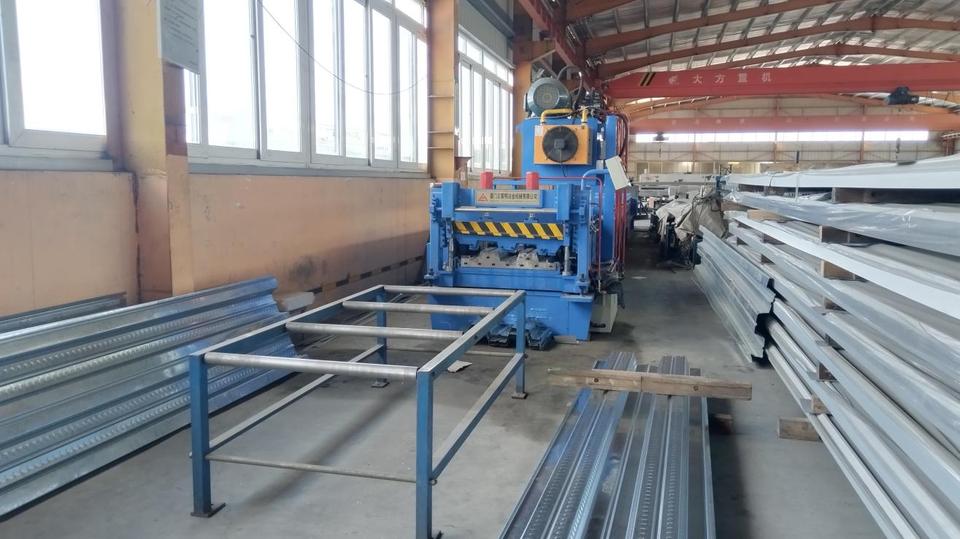
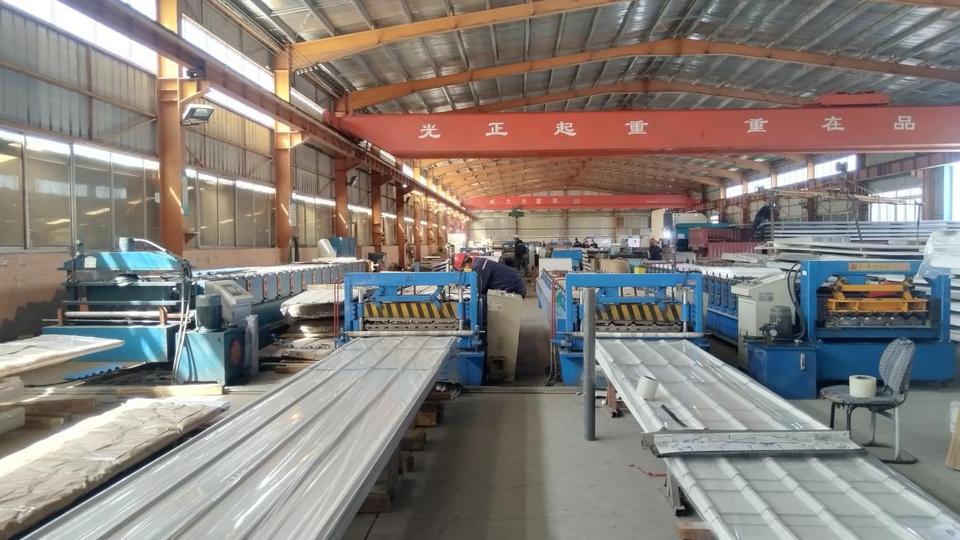
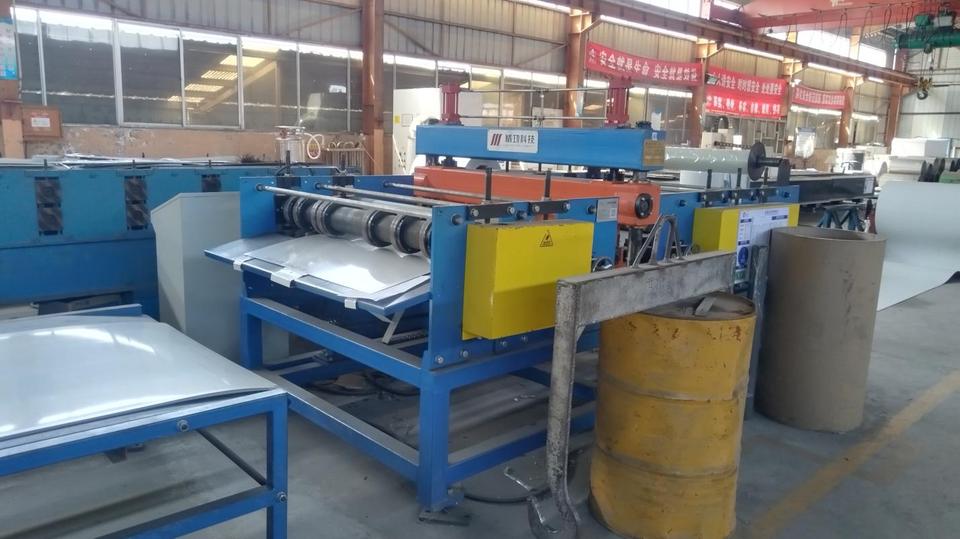
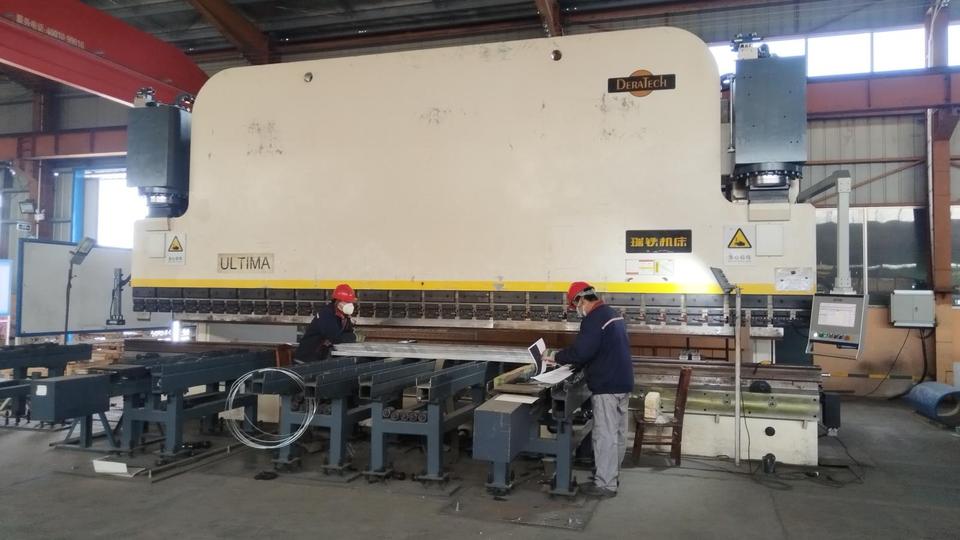
Equipped with modern manufacturing facilities and a professional R&D team, Dongguan Detzer Homes Co., Ltd. utilizes advanced technologies and strict quality control processes to guarantee product excellence. We are committed to delivering turnkey solutions tailored to meet diverse project requirements. Guided by the principles of quality, innovation, and customer satisfaction, Detzer Homes has established long-term partnerships with clients worldwide. We strive to provide efficient, reliable, and cost-effective building solutions, helping customers achieve their project goals with confidence.


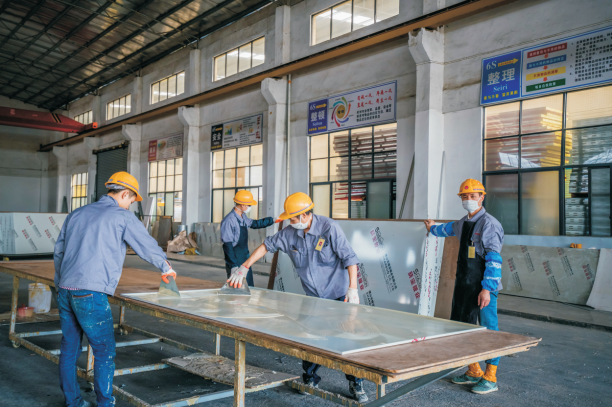
How modern cleanroom design is shifting from manual testing routines to continuous automated validation systems.
The cleanroom validation sector is experiencing a massive paradigm shift. Traditional models relied exclusively on annual or bi-annual site testing, which created operational blindspots between testing intervals. The future roadmap of cleanroom technologies highlights several key industry developments:
Modern pharmaceutical and semiconductor cleanrooms are increasingly integrating automated sensors that communicate directly with building management systems (BMS). Using optical particle counters strategically placed throughout the cleanroom, dynamic changes in cleanliness levels are logged in real-time, reducing reliance on manual sampling and lowering human contamination risks.
By constructing a digital twin of the cleanroom's structural footprint, engineering teams can model airflow trajectories, simulate thermal loads, and analyze turbulent flow vectors. This capability allows operators to forecast how structural modifications or machinery placements will impact overall cleanliness levels before physically changing the floor plan.
Rather than replacing HEPA and ULPA filters on fixed schedules, modern cleanroom operations use differential pressure transponders linked to AI-driven diagnostic platforms. This analytical pipeline estimates the remaining operational lifetime of filtration units by tracking pressure drop variations, cutting maintenance expenses and minimizing unscheduled cleanroom downtime.
Customized validation frameworks designed to address the specific performance requirements of diverse industrial verticals.
| Industry Vertical | Core Testing Protocol | Standard Compliance Target | Primary Design Objective |
|---|---|---|---|
| Semiconductor & Nano-Electronics | HEPA/ULPA Leak Testing, ESD Assessment, Airborne Molecular Contamination (AMC) | ISO Class 1 to ISO Class 4 | Prevent electrostatic discharge defects and sub-micron particle contamination. |
| Biomedical & Pharmaceutical | Active Viable Air Sampling, Passive Settle Plates, Airway Recovery Challenges | EU GMP Grades A-D, FDA Aseptic Guide | Ensure microbial containment and sterile production environments. |
| Precision Machinery & Automotive | Non-viable Particulate Sizing, Airflow Direction Studies, Vibration Analysis | ISO Class 6 to ISO Class 8 | Minimize structural vibrations and surface dust deposition on critical components. |
| Aerospace Systems | Outgassing Valuations, Condensable Organic Contaminants, Light Scatter Counters | ISO Class 5 / Class 100,000 | Limit volatile chemicals and cosmic dust interference in satellite assemblies. |
Each industry vertical requires a specialized testing approach. For example, in pharmaceutical environments, testing must be carried out using non-contaminating validation agents (such as pharmaceutical-grade polyalphaolefin oils for HEPA filter challenges) to preserve environmental sterile levels and prevent chemical cross-contamination.
Ensuring global alignment with localized engineering codes and international cleanroom standardizations.
Establishing cleanrooms across different geographic areas requires navigating a complex landscape of regional regulatory frameworks, environmental laws, and distinct construction standards. A modular cleanroom designed for Europe must conform to Eurovent and EU GMP Annex 1 protocols, while a facility built in the United States must align with ASHRAE guidelines and US Federal Standard 209E legacy protocols.
By collaborating with a globally integrated manufacturer like Dongguan Detzer Homes Co., Ltd., clients benefit from structural compliance engineering tailored to their specific projects. This approach ensures that panel fire-resistance properties, seismic supports, and air purification parameters are pre-engineered to satisfy localized structural requirements, facilitating rapid final commissioning and smooth validation checkouts by municipal inspectors and third-party auditors.
Leveraging China's manufacturing ecosystems to deliver robust cleanroom structures quickly and cost-effectively.
China's smart manufacturing infrastructure represents a reliable source for structural steel components, customizable sandwich panels, and cleanroom hardware. Integrating these supply capabilities creates a streamlined procurement pipeline for international project developers:
A detailed breakdown of key milestones for procurement officers overseeing modular cleanroom acquisitions.
Procuring a cleanroom facility requires strict adherence to detailed engineering steps to minimize project delays. This structured roadmap guides procurement teams through the validation process:
Define class requirements, expected particulate loads, recovery limits, temperature ranges, and relative humidity tolerances.
Verify that all engineering drafts, HVAC load estimations, and modular panels align with target validation protocols.
Confirm that all materials, filters, structural supports, and sensors are installed correctly according to blueprint specifications.
Verify that the system performs under static conditions (in-at-rest), showing correct airflows, pressure control loops, and filter performance.
Confirm the room consistently maintains cleanliness levels during operational shifts under peak heat and personnel loads.
Establish routine monitoring timelines (e.g., 6-month checks for ISO Class 5 and 12-month checks for ISO Class 6-9 spaces).
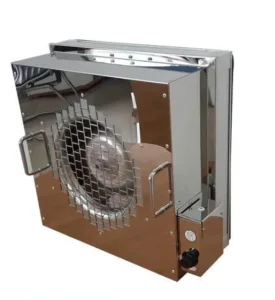
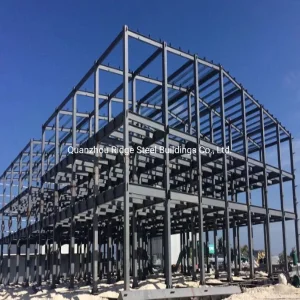
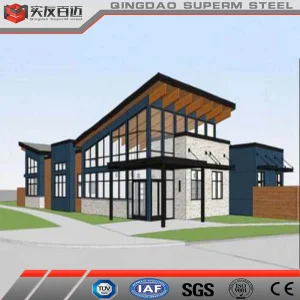
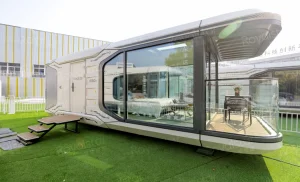
Explore our collection of custom structural steel warehouses, pre-engineered office complexes, and specialized air filtration systems.
Expert responses to frequently asked technical questions regarding cleanroom certification, regulatory requirements, and engineering operations.
 Detzer Homes