The global steel construction industry is currently undergoing a massive transformation, driven by the urgent need for sustainable, rapid, and cost-effective infrastructure. In 2024, steel remains the backbone of industrial development, accounting for over 50% of global construction material demand in the commercial and industrial sectors. From the soaring skylines of Dubai to the sprawling logistics hubs in Southeast Asia, steel construction techniques have evolved from simple skeletal frames to highly intelligent, pre-engineered systems.
Modern industrialization demands buildings that can be deployed in weeks rather than years. This urgency has propelled the "Prefabricated Steel Structure" market to new heights. Currently, the market is seeing a significant shift toward Green Steel and carbon-neutral manufacturing processes, as global regulations tighten around building emissions. Dongguan Detzer Homes Co., Ltd. stands at the forefront of this movement, bridging the gap between high-capacity Chinese manufacturing and strict international quality standards such as ISO and ASTM.
Business procurement trends indicate that Tier-1 contractors are no longer just looking for raw materials; they are seeking turnkey engineering partners. The demand for integrated solutions—where design, fabrication, and logistics are handled by a single entity—has increased by 40% over the last three years. This is precisely where the "China Factory" model excels, offering unmatched scalability and technical integration at a competitive price point.
Exploring the methodologies that define modern industrial architecture.
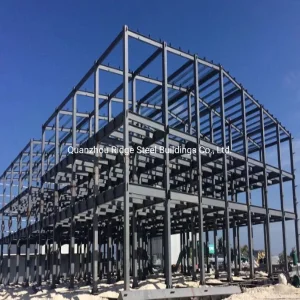
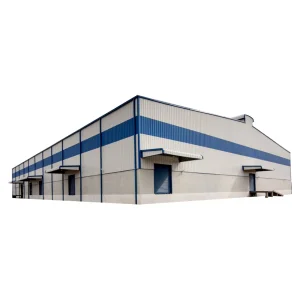
PEB involves the complete design and fabrication of structural members at the factory, which are then bolted on-site. This technique reduces construction time by 30-50% compared to conventional steel.
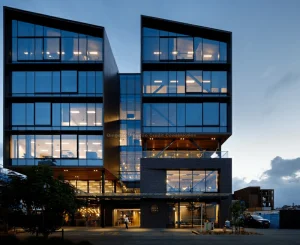
Ideal for hotels, apartments, and hospitals, LGSF uses cold-formed steel sections. It is lightweight, non-combustible, and provides excellent seismic resistance for multi-story buildings.
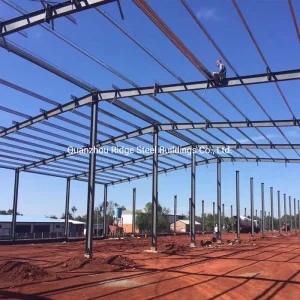
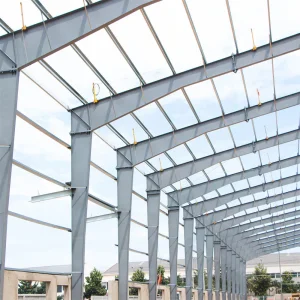
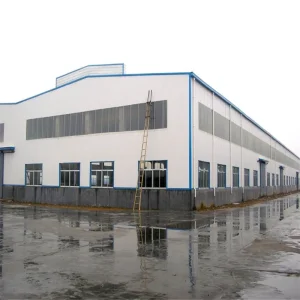
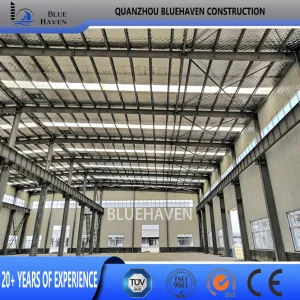
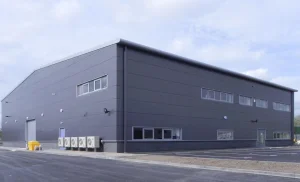
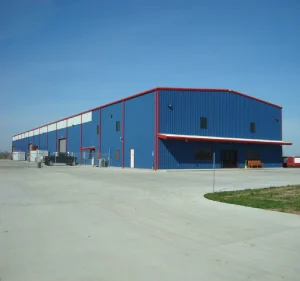
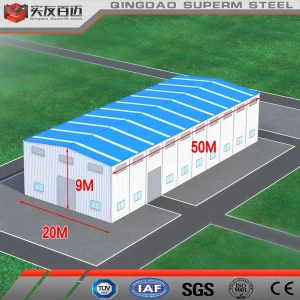
The standard for wide-span warehouses and factories. Our portal frames utilize tapered members to optimize material use where stress is highest, ensuring maximum structural efficiency.
A technique where entire rooms are built as 3D modules. Used extensively for temporary site offices, mobile hospitals, and rapid-deployment housing solutions.
By combining steel beams with concrete floor slabs, this technique utilizes the compressive strength of concrete and the tensile strength of steel for high-rise warehouse structures.
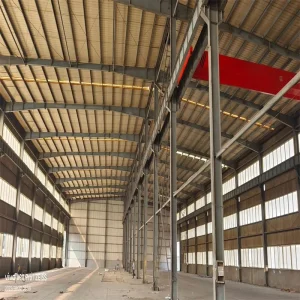
Designed for logistics hubs and material sheds, long-span trusses allow for massive open floor areas without the need for internal columns, facilitating easy movement of heavy machinery.
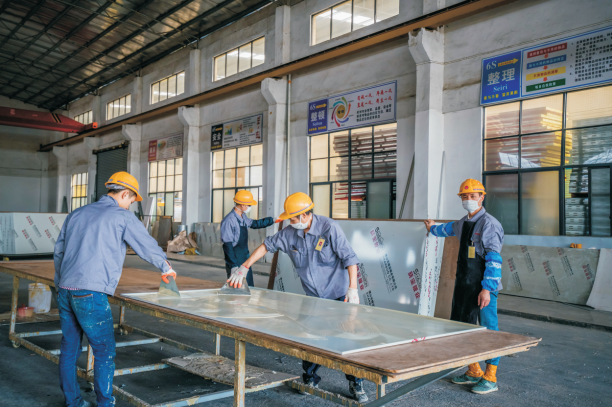
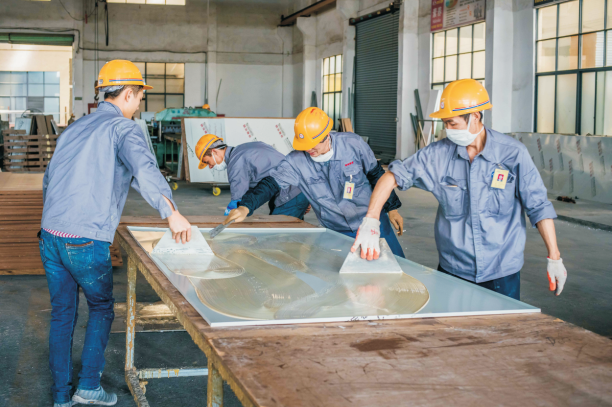
An essential insulation technique. Using Rockwool or PU sandwich panels provides thermal regulation and fire protection, crucial for pharmaceutical clean rooms and food storage.
For heavy industry plants, we utilize thick-plate welding and large-section H-beams to support overhead cranes and massive industrial vibrating equipment.
A technique focused on durability. Hot-dip galvanization ensures that steel frames remain rust-free for over 50 years, even in coastal or high-humidity tropical environments.
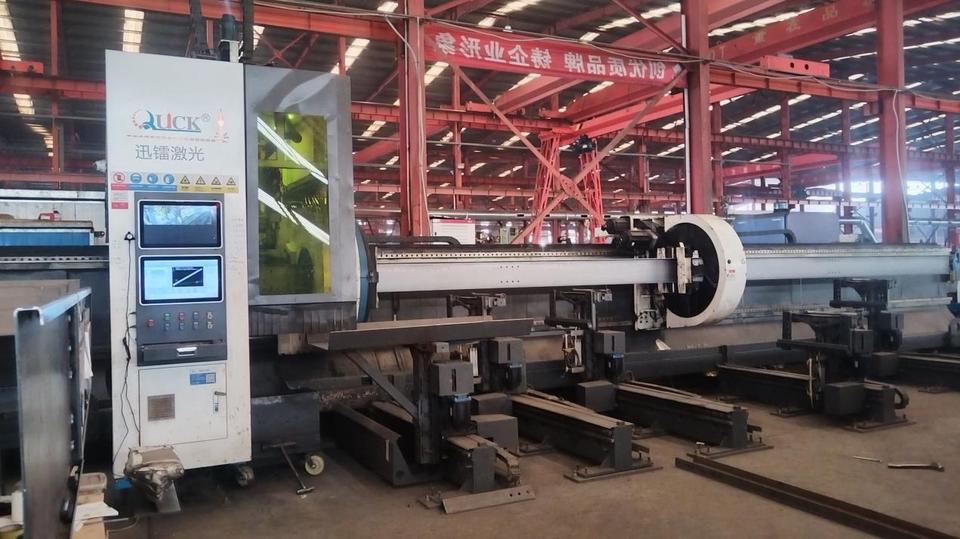
Building Information Modeling (BIM) allows us to create a digital twin of the structure before a single piece of steel is cut. This eliminates on-site errors, ensures 100% bolt-hole alignment, and allows for precise cost forecasting. This is the pinnacle of modern AI-driven construction technology.
Procurement departments in 2024 are shifting their focus from "lowest initial cost" to "total lifecycle value." International buyers from Europe, North America, and the Middle East are increasingly prioritizing Environmental, Social, and Governance (ESG) criteria. Steel, being 100% recyclable, fits perfectly into this paradigm.
Another major trend is Localization of Application. While the steel is manufactured in China, the design must adapt to local building codes (like Eurocodes or AS/NZS standards). At Dongguan Detzer Homes, we provide customized engineering drawings that respect local wind loads, snow loads, and seismic zones, ensuring that our exported structures are ready for immediate approval by local authorities.
Furthermore, the "Smart Factory" trend is influencing how steel is procured. Buyers now expect real-time tracking of their fabrication progress. We utilize digital management systems to provide our clients with transparent updates from the raw material phase to the final shipping container loading.

Dongguan Detzer Homes Co., Ltd. is a leading manufacturer specializing in clean room systems, prefabricated building solutions, and steel structure construction in China. With years of industry experience, the company integrates design, engineering, production, and installation to deliver high-performance building systems for global clients.
Detzer Homes focuses on providing advanced clean room solutions for industries such as pharmaceuticals, electronics, healthcare, and precision manufacturing. Our clean room systems are designed to meet strict international standards, ensuring controlled environments, high efficiency, and long-term reliability.
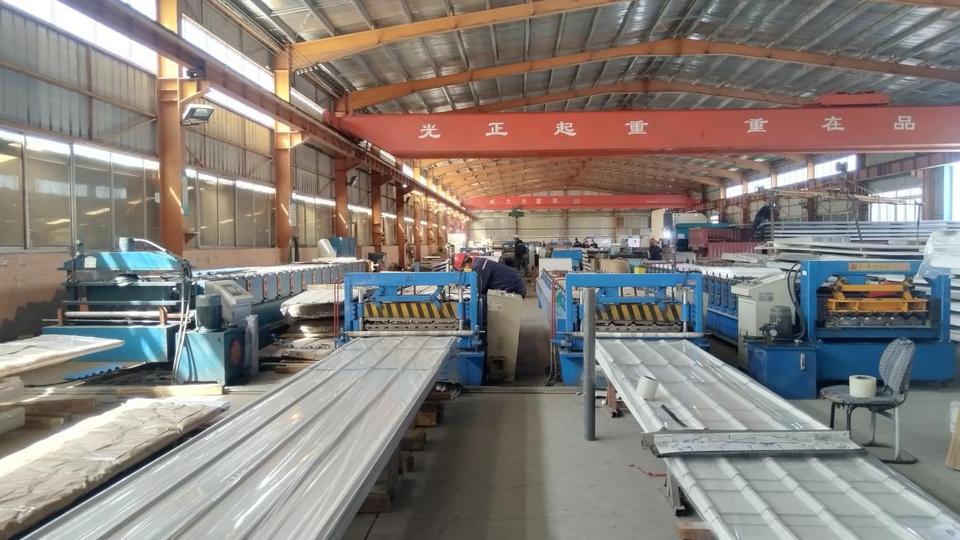
Why choose a Chinese factory for your global steel construction project? The answer lies in the synergy of scale and technology. China produces over half of the world's steel, providing us with immediate access to high-quality raw materials at lower costs.
Local Scenarios:
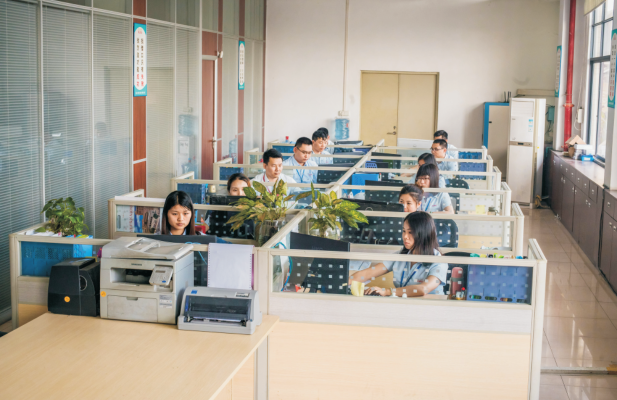
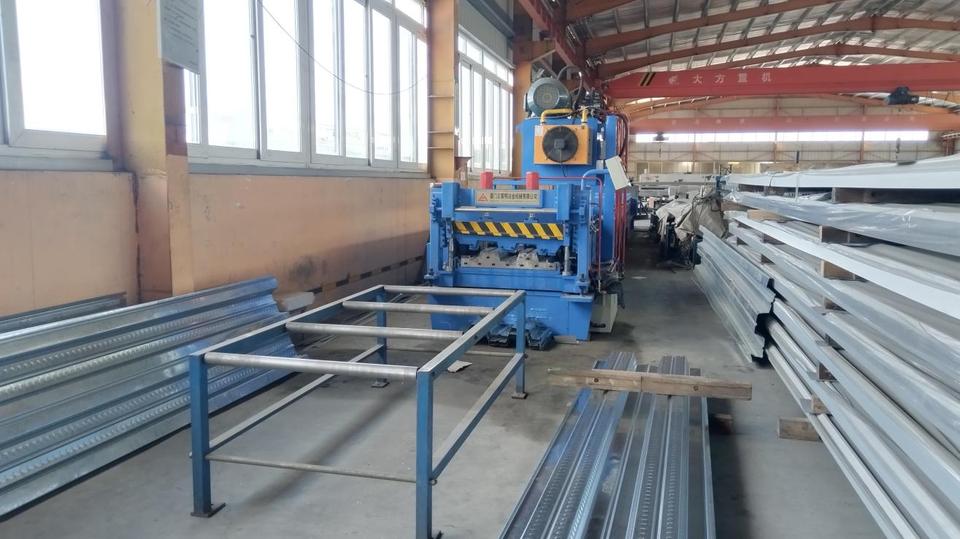
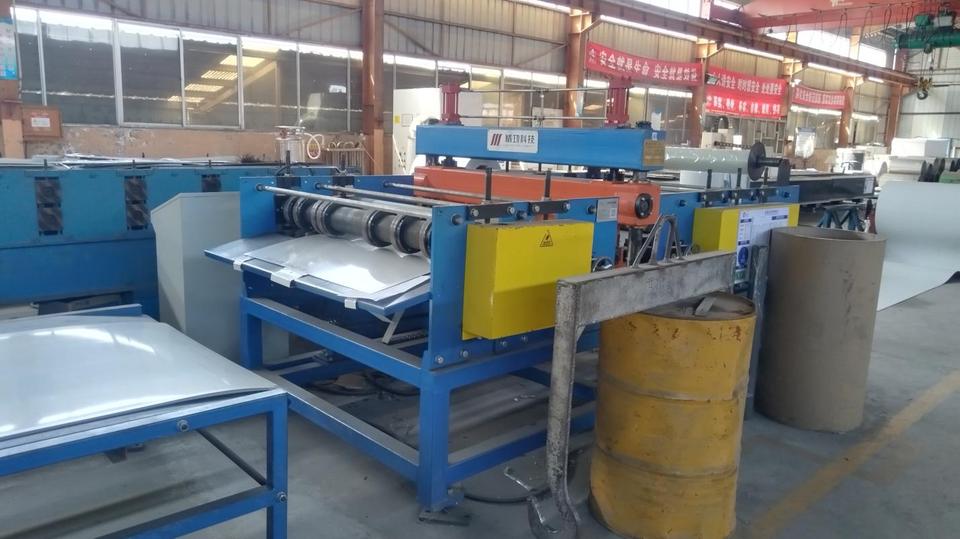
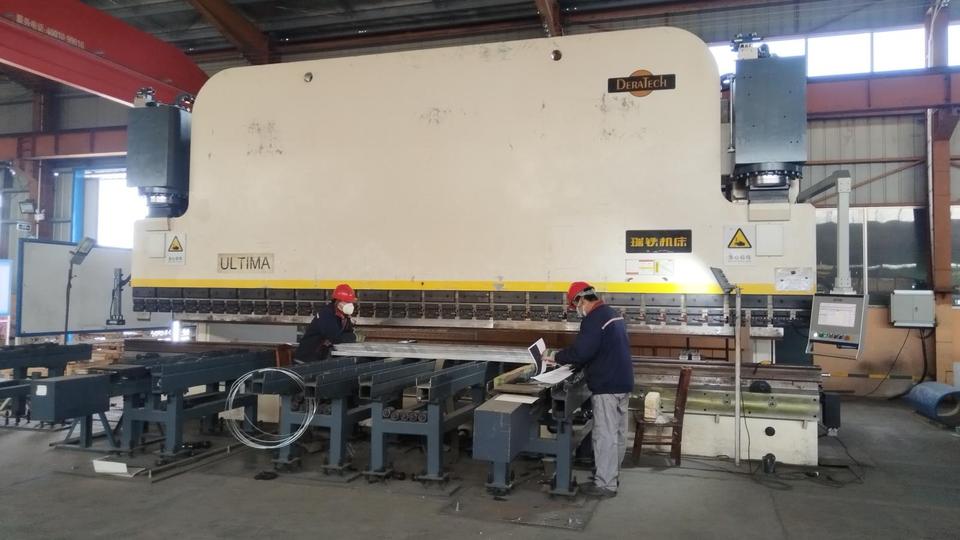
Dongguan Detzer Homes Co., Ltd. utilizes modern manufacturing facilities and a professional R&D team. We guarantee product excellence through strict quality control. Guided by the principles of quality, innovation, and customer satisfaction, we have established long-term partnerships with clients worldwide.
 Detzer Homes