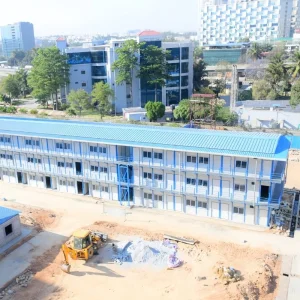
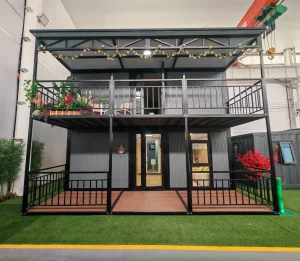
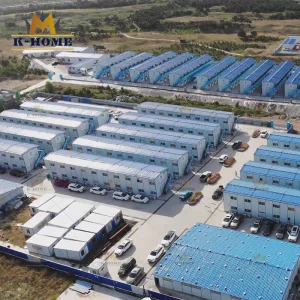
The construction landscape is undergoing a paradigm shift. As organizations grapple with volatile labor costs and accelerated project timelines, Modular Workforce Housing has emerged as the definitive solution. The trend is moving from basic "container-style" units to high-performance, architecturally integrated complexes. Key drivers include:
For procurement managers in mining, energy, and government sectors, sourcing from a factory is not just about price—it’s about de-risking the supply chain. The most successful procurement strategies prioritize:
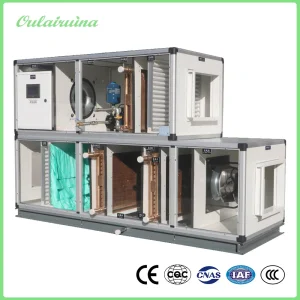
Modern workforce housing functions as a "Turnkey Ecosystem." Suppliers are moving beyond just supplying a "box." Today’s industry leaders provide integrated macro-solutions, including:
Global compliance is the bedrock of modular expansion. Dongguan Detzer Homes Co., Ltd. leads by aligning its production with international standards. Whether it’s wind resistance for Caribbean projects or thermal insulation for arctic climates, technical documentation and third-party testing are non-negotiable. Our quality assurance (QA) protocols cover raw steel sourcing, weld integrity, and the airtightness of cleanroom-grade modular panels.
The future of modular construction lies in "Smart Prefab." We are integrating IoT sensors into wall panels to monitor temperature, occupancy, and structural health in real-time. This predictive maintenance will redefine how remote workforces are managed, reducing operational downtime and improving occupant comfort.
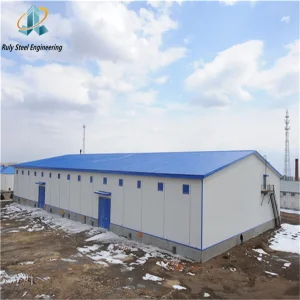
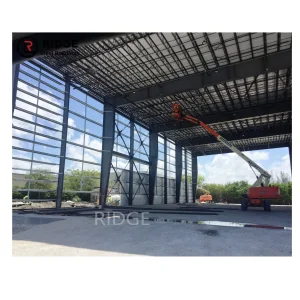
Dongguan Detzer Homes Co., Ltd. is a leading manufacturer specializing in clean room systems, prefabricated building solutions, and steel structure construction in China. With years of industry experience, the company integrates design, engineering, production, and installation to deliver high-performance building systems for global clients.
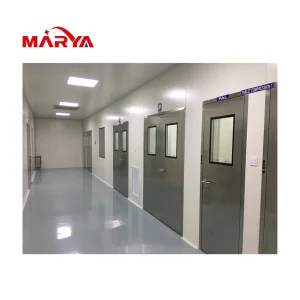
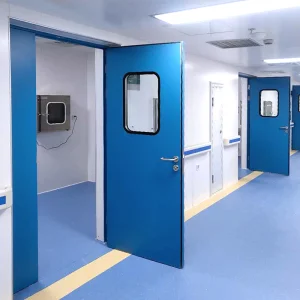
Detzer Homes focuses on providing advanced clean room solutions for industries such as pharmaceuticals, electronics, healthcare, and precision manufacturing. Our clean room systems are designed to meet strict international standards, ensuring controlled environments, high efficiency, and long-term reliability.
A: By conducting foundation work and factory assembly simultaneously, we typically reduce on-site construction timelines by 40-60% compared to traditional building methods.
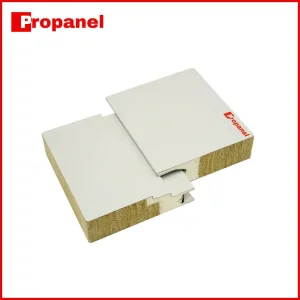
A: Yes. We use specialized insulation materials like PU and Rock Wool hybrid panels to maintain internal comfort regardless of external weather conditions.
A: When correctly maintained and installed on proper foundations, our modular steel structures are engineered for 25+ years of operational life.
 Detzer Homes