Strategic B2B insight on fast-tracked infrastructure development and structural compliance
Rwanda is currently undergoing a historic urban and economic transformation. Driven by the national Vision 2050 agenda, the country is prioritizing sustainable urban development, industrialization, and high-efficiency infrastructure. The traditional brick-and-mortar building methodologies are increasingly falling short of the speed, cost-effectiveness, and environmental targets required by developers in Kigali and secondary economic hubs such as Rubavu, Musanze, and Bugesera. This shift has placed Prefabricated Modular Housing Systems at the center of Rwanda’s modern development strategy.
As a key exporter and supplier to East Africa, our operations address critical regional challenges. Land topography, seismic characteristics of the Albertine Rift Zone, and localized environmental impact factors mean that modular systems deployed in Rwanda must meet strict load-bearing and flexural performance profiles. By integrating advanced Chinese steel manufacturing technology with regional logistics pipelines, we supply engineering-grade modular buildings that slash erection timelines by up to 70% while guaranteeing structural integrity in compliance with the Rwanda Building Code.
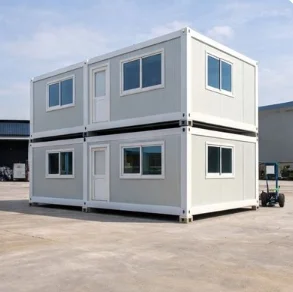
Designed for prompt assembly with minimal heavy machinery required, bypassing traditional wet construction delays.
Structural calculations aligned with Eurocode 3/4 and local Rwanda Standards Board (RSB) guidelines.
Thermally insulated sandwich panels reduce continuous HVAC energy demands in tropical highland climates.
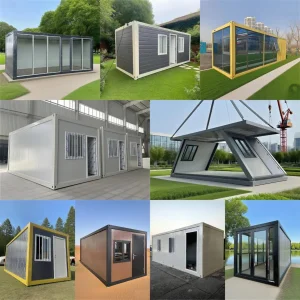
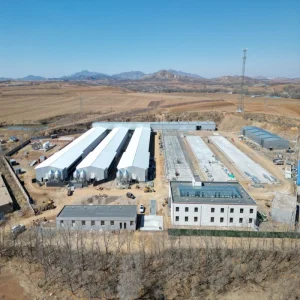
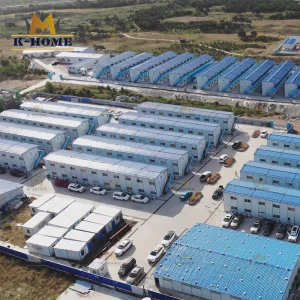
High-efficiency prefabricated systems selected for immediate deployment in local projects
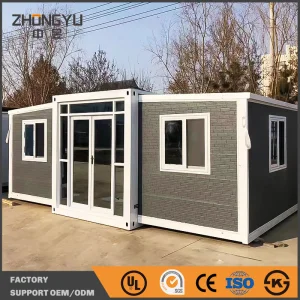
How our modular housing solutions guarantee durability under local Rwandan environmental parameters
Rwanda lies within the Western Branch of the East African Rift System, demanding strict structural safety designs. Our structural frame systems utilize high-tensile hot-dip galvanized steel (Q355B equivalent), engineered to comfortably absorb seismic accelerations and dynamic wind pressures up to 120 km/h.
With Kigali's equatorial highland climate, thermal comfort is vital. We utilize high-density polyurethane (PU) and rockwool sandwich panels. With U-values as low as 0.24 W/m²K, they drastically lower internal solar heat gain, reducing dependency on mechanical cooling systems.
Rwanda experiences high seasonal rainfall. Our steel structures undergo a hot-dip galvanization process with a zinc coating thickness exceeding 275 g/m², ensuring robust rust protection and preventing structural degradation over a 50-year service life.
| Structural Component | Standard Specification |
|---|---|
| Main Frame Material | Hot-dip galvanized Q355B steel structure |
| Wall Panels | 75mm/100mm PU / Rockwool sandwich panel (120kg/m³) |
| Roof Structure | Double-layer insulated galvanized color-coated sheet |
| Lifespan | Up to 50 years under standard environmental conditions |
| Assembly Time | 4 experienced workers can construct 3 standard units/day |
High-Strength Steel Grade
Low Thermal Transmittance (W/m²K)
Reduction in Installation Time
Recyclable Building Components
Engineered to meet specific regulatory standards, structural demands, and logistic capacities
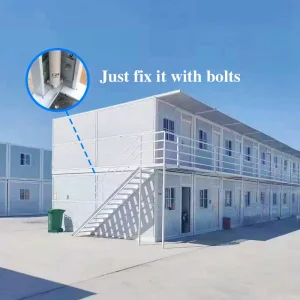
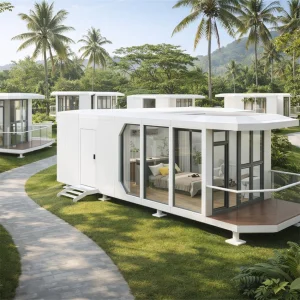
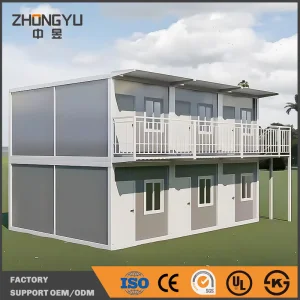
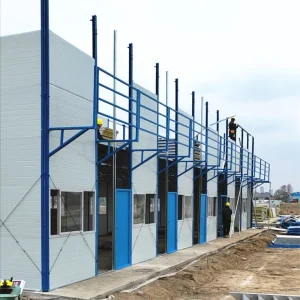
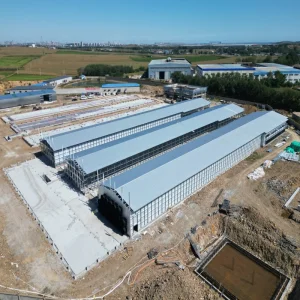
Broadening structural deployment options for complex industrial installations across Rwanda
How our localized logistics and manufacturing power ensure cost efficiency and precision delivery
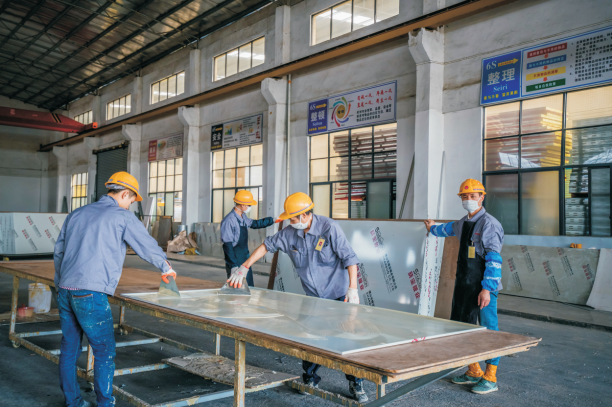
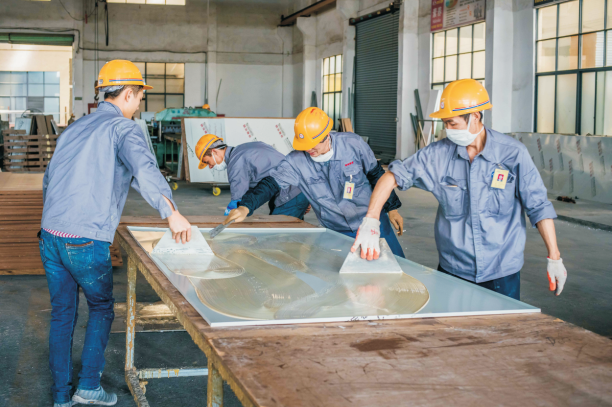
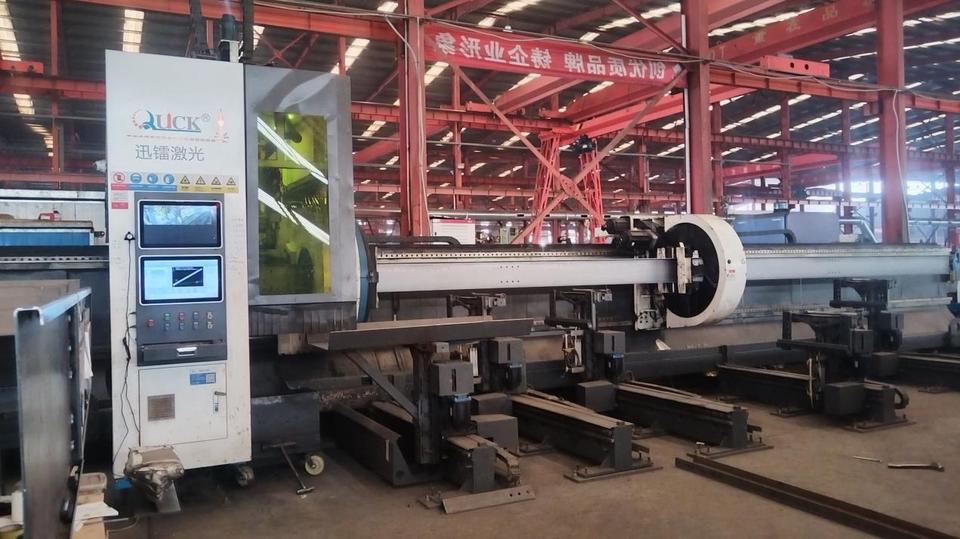
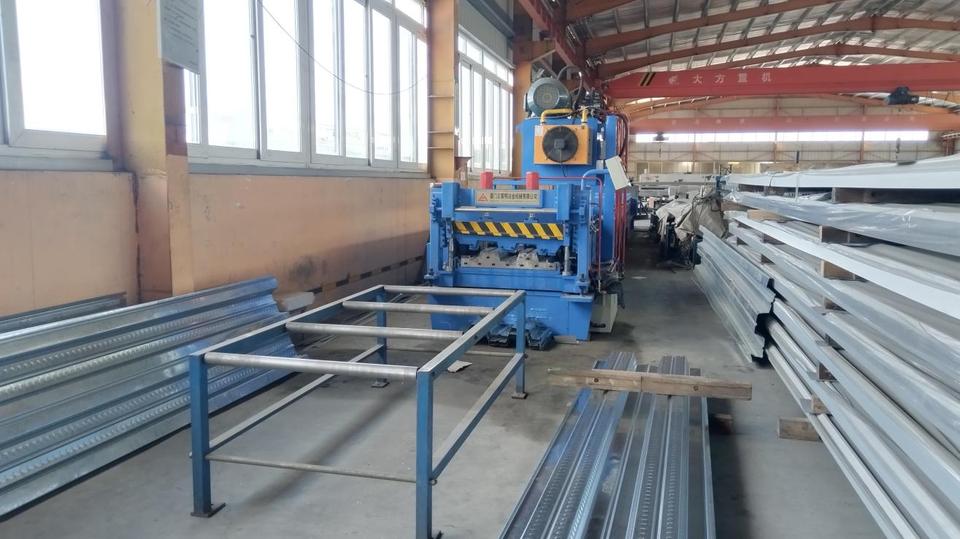
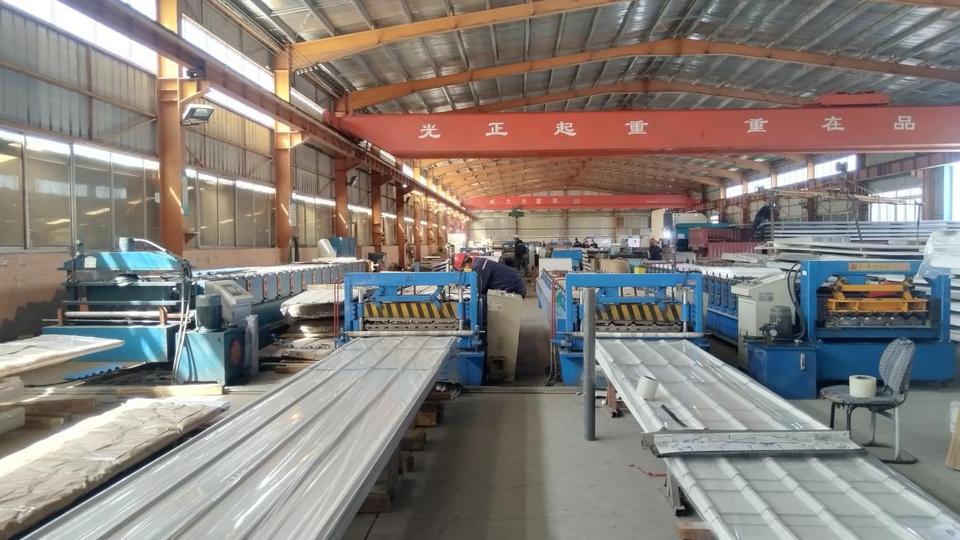
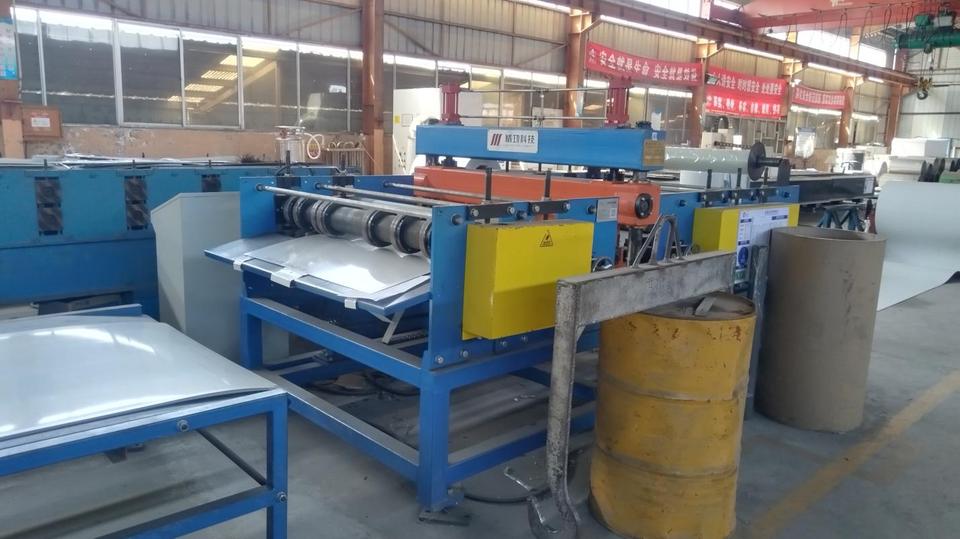
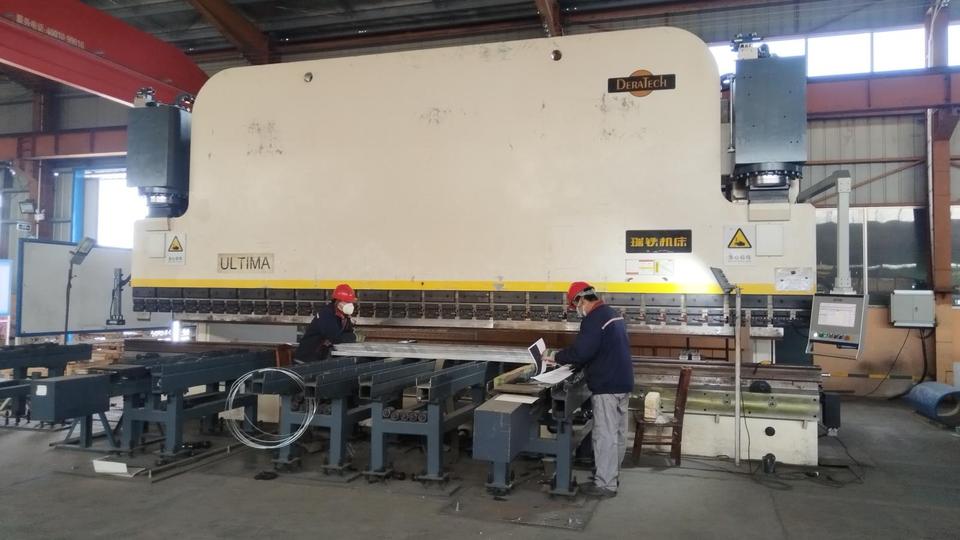
Procuring structural building materials in East Africa often exposes developers to high costs and inconsistent material grades. By exporting directly from our modern production plants in Dongguan, China, we offer clients in Rwanda a direct path to high-end manufacturing capacity. We oversee every phase from CAD engineering and steel detailing to precision automated CNC cutting, robotic welding, and anti-corrosion treatments.
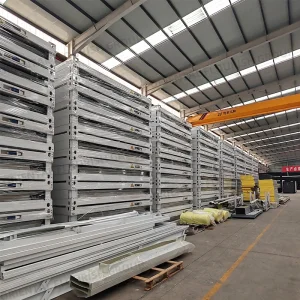
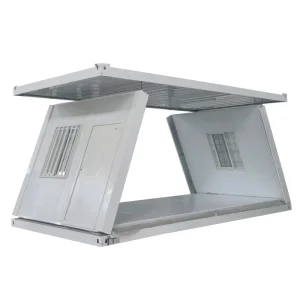
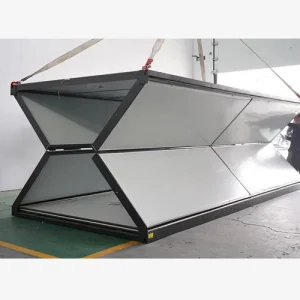
Our logistical pipeline is specifically tailored to the East African landlocked realities. We manage shipment routing from Chinese ports (Guangzhou, Shenzhen) directly to regional transit ports (Mombasa, Kenya or Dar es Salaam, Tanzania), followed by overland transport via the Northern or Central corridor routes straight to Kigali. Our flat-pack container designs maximize container utilization ratios, lowering freight cost components by up to 40%.
How different industrial and public sectors leverage modular systems to drive construction productivity
Providing rapidly deployable, professional offices, administration zones, and technology workspaces for global enterprises locating inside the KSEZ.
Rugged, structural panelized modular complexes assembled in mountainous terrains to accommodate exploration staff, providing safety and structural rigidity.
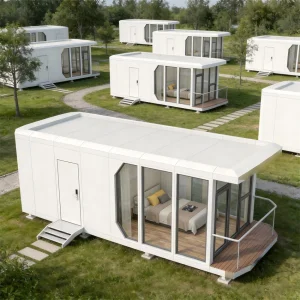
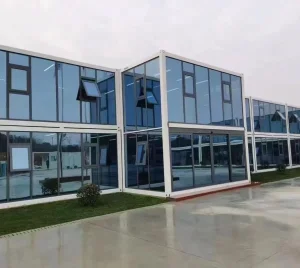
Assisting urban growth mandates in Rubavu and Musanze with clean, durable, and highly deployable housing configurations tailored to climate challenges.
Dongguan Detzer Homes Co., Ltd.: Your Trusted Strategic Infrastructure Partner
Dongguan Detzer Homes Co., Ltd. is a leading manufacturer specializing in clean room systems, prefabricated building solutions, and steel structure construction in China. With years of industry experience, the company integrates design, engineering, production, and installation to deliver high-performance building systems for global clients.
Detzer Homes focuses on providing advanced clean room solutions for industries such as pharmaceuticals, electronics, healthcare, and precision manufacturing. Our clean room systems are designed to meet strict international standards, ensuring controlled environments, high efficiency, and long-term reliability.
In the field of prefabricated buildings, we offer modular housing, temporary site facilities, and customized integrated structures that significantly reduce construction time and labor costs. Our steel structure solutions include industrial plants, warehouses, and commercial buildings, engineered for durability, flexibility, and sustainability.
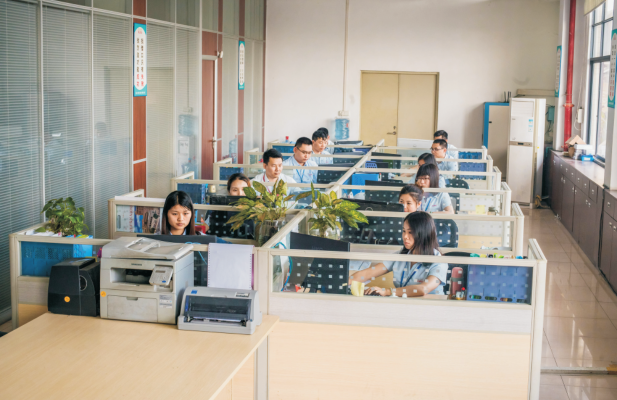
Equipped with modern manufacturing facilities and a professional R&D team, Dongguan Detzer Homes Co., Ltd. utilizes advanced technologies and strict quality control processes to guarantee product excellence. We are committed to delivering turnkey solutions tailored to meet diverse project requirements.
Guided by the principles of quality, innovation, and customer satisfaction, Detzer Homes has established long-term partnerships with clients worldwide. We strive to provide efficient, reliable, and cost-effective building solutions, helping customers achieve their project goals with confidence.


Crucial information for engineers, real estate developers, and municipal officials in Rwanda
Yes. Our modular housing structural frames are engineered in compliance with Eurocode 3 (Design of steel structures) and Eurocode 4 (Design of composite steel and concrete structures), which are widely referenced in East Africa. For local Rwandan regulatory compliance, we provide full CAD calculations, load-bearing capacities, and material test sheets to expedite municipal approvals.
All load-bearing structures undergo deep-tank hot-dip galvanization with a thick zinc protective coating to prevent rust. In addition, our wall panels feature interlocking joints with EPDM gaskets and integrated moisture barrier profiles, ensuring completely dry interiors during torrential tropical downpours.
Typical transit time includes 20–25 days of ocean freight from Guangzhou or Shenzhen port to Mombasa or Dar es Salaam, followed by 7–10 days of inland road transport. We recommend planning a total procurement buffer of 45–60 days, which includes factory production, custom export clearance, and transit directly to Kigali.
PU panels are highly superior for thermal containment. They feature a significantly lower thermal conductivity (approx. 0.022 W/m·K) compared to EPS (approx. 0.040 W/m·K). This means PU panels block external heat far more effectively, maintaining comfortable indoor temperatures without the high electricity bills associated with cooling systems.
Yes. Because Rwanda has active fault lines near the Albertine Rift Zone, we design our structural steel frame joints with specialized elastic and dynamic tolerance zones. These engineering details prevent structural failure during seismic shifts, unlike standard masonry structures which are prone to sudden brittle cracking.
Absolutely. We provide complete 3D structural drawings, step-by-step assembly guides, and detailed instruction videos. For large-scale projects, we can also dispatch structural engineering supervisors to provide on-site technical direction and training for local workforces.
 Detzer Homes