Maintaining steel structure buildings is essential for their longevity and safety. Steel is strong but can be vulnerable to rust, corrosion, and wear. Knowing how to maintain steel structure buildings requires a strategic approach. Regular inspections are vital to identify potential issues early. For example, cracks or rust spots can indicate structural weaknesses.
Effective maintenance includes comprehensive cleaning protocols. Using the right cleaning materials prevents damage to the steel surface. Property owners must also consider environmental factors. Areas with high humidity or salt exposure may accelerate deterioration. Understanding these elements can aid in preventing expensive repairs.
Hiring professionals with expertise in structural integrity is crucial. Their experience offers insights that can help mitigate risks. Regular maintenance schedules can be overlooked, yet consistency is key. Neglect can lead to catastrophic failures, emphasizing the need for awareness and proactive measures. Investing in maintenance reflects a commitment to safety and durability in construction.
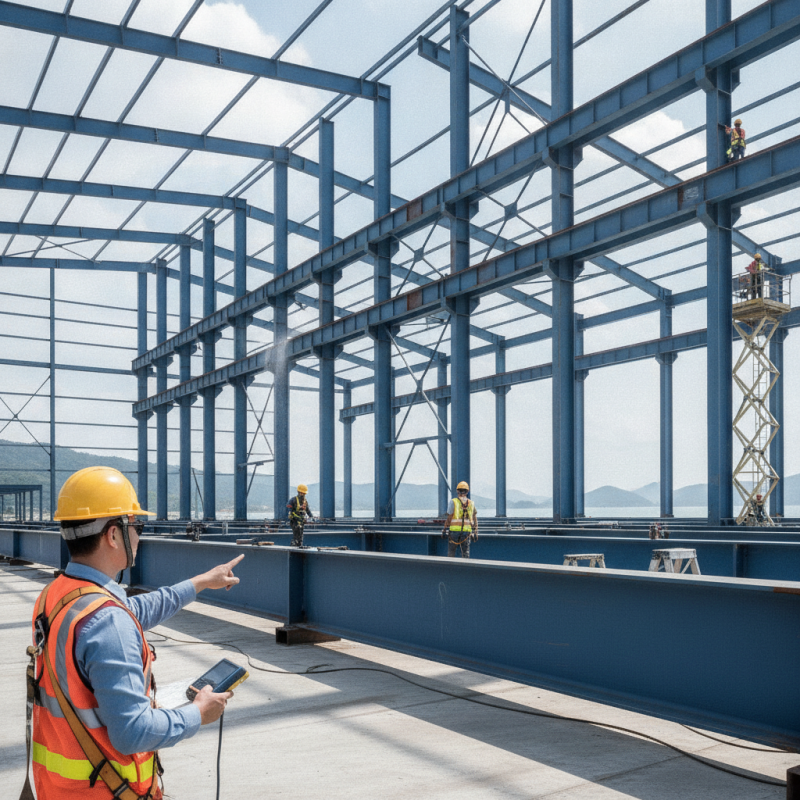
Regular inspections for steel structures are crucial for maintaining their integrity and longevity. Over time, steel can be affected by various environmental factors. Corrosion is a common issue, especially in coastal areas. Routine inspections help identify early signs of wear and damage. Inspectors can notice rust, cracks, or misalignments. Ignoring these signs can lead to costly repairs or, worse yet, accidents.
Understanding potential problems is vital. Not all damage is visible to the naked eye. Sometimes, what seems minor can escalate into major structural failures. Employing specialized equipment allows for a deeper analysis of steel components. Detailed reports from inspectors guide maintenance decisions. These insights can save time and money in the long run.
Building owners often overlook maintenance until issues surface. This reactive approach is not only risky but often expensive. Regular inspections can shift this mindset to proactive care. Establishing a routine schedule cultivates awareness of a structure's health. It promotes a culture of safety and vigilance among all stakeholders. Being informed empowers everyone involved in the management of steel structures.
: Regular inspections maintain the integrity and longevity of steel structures. They help identify wear and damage early.
Steel is often affected by corrosion, especially in coastal areas. Rust and cracks can develop unnoticed.
Hidden damage may escalate into major structural failures. What appears minor can lead to costly repairs.
Specialized equipment allows for deeper analysis of steel components. Inspectors provide detailed reports to guide maintenance.
Establishing a routine inspection schedule encourages awareness of the structure's health. It fosters a culture of safety.
Extreme heat or cold causes expansion and contraction, leading to structural stress. These stresses can compromise integrity.
Proper insulation helps maintain steady temperatures. Using thermal expansion joints reduces stress on materials.
Proper ventilation helps maintain consistent temperatures and reduces the risk of thermal damage over time.
Routine maintenance schedules are key. Overlooking them can lead to expensive problems in the future.
Continuous learning and understanding material responses to the environment are crucial for lasting structures.
Maintaining steel structure buildings is crucial for ensuring their longevity and structural integrity. One of the key aspects of how to maintain steel structure buildings is the importance of regular inspections, which help identify potential issues before they escalate. Preventing corrosion through proper protective coatings and environmental controls is essential, as it directly affects the durability of the steel.
Effective cleaning strategies for steel surfaces can further enhance maintenance efforts by removing contaminants that contribute to degradation. Additionally, managing temperature fluctuations is important to prevent expansion and contraction that could lead to structural complications. Lastly, implementing professional repairs and upgrades helps preserve the integrity of the steel, ensuring that the buildings continue to perform optimally throughout their lifespan. Following these best practices will ensure that steel structures remain safe and functional for years to come.

 Detzer Homes