Understanding "what is a steel structure building" is essential in modern construction. Steel structures are known for their robustness and flexibility. According to Dr. Alice Carter, a prominent structural engineer, "Steel buildings are the backbone of urban infrastructure." This emphasizes their significance in developing vibrant cities.
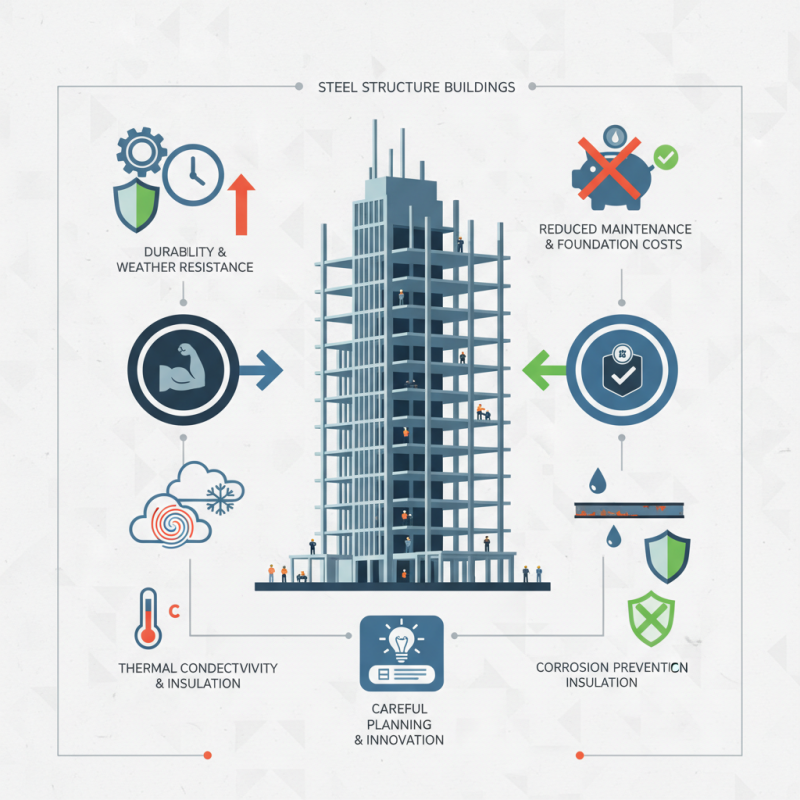
Steel structure buildings offer numerous advantages. They are durable, resistant to harsh weather, and often require less maintenance compared to traditional buildings. The speed of construction is another major benefit. Projects can be completed faster, allowing for quicker occupancy. The lightweight nature of steel also reduces foundation costs.
However, there are challenges. Understanding the thermal conductivity of steel is crucial. It requires proper insulation to manage temperature. Moreover, steel buildings can be prone to corrosion if not maintained properly. Addressing these issues can enhance the longevity and efficiency of steel structures. With careful planning, steel structures can be both reliable and innovative.
Steel structure buildings are a modern architectural choice. These buildings feature a framework of steel columns and beams. This design allows for large open spaces and flexible layouts. Often, they are seen in commercial and industrial settings.
One of the main benefits of steel structure buildings is their strength. Steel can withstand significant weight and harsh weather conditions. This makes them ideal for tall buildings. However, there can be concerns about corrosion if not properly maintained. Regular inspections are necessary to ensure longevity.
Another advantage is the speed of construction. Steel components are prefabricated, which reduces on-site work. This can lead to faster project completion times. Yet, challenges such as transportation and assembly might arise. It's crucial to plan logistics strategically. Ultimately, steel structure buildings offer durability and efficiency but require careful oversight.
Steel structure construction involves several key components that work together to create durable buildings. The primary component is the steel frame, which provides strength and stability. This frame consists of columns, beams, and braces that shape the skeleton of the structure. Each piece is carefully engineered to bear high loads, ensuring safety and longevity.
Another important element is the steel decking. This is often used for flooring and roofing systems. It serves as a platform for placing concrete, allowing for quicker installation. The decking system also contributes to the building’s overall rigidity and strength. Fasteners and connectors play crucial roles too, as they join various steel parts, enhancing structural integrity.
While these components offer significant benefits, challenges exist. For instance, potential corrosion can weaken steel if not properly treated. Proper maintenance is essential to prolong the life of a steel structure. Additionally, precise calculations are necessary during the design phase. Mistakes can lead to structural issues later on. Overall, understanding the key components of steel construction is vital for successful projects.
| Component | Description | Benefits |
|---|---|---|
| Steel Beams | Horizontal structures providing support for floors and ceilings. | High strength-to-weight ratio allows for longer spans. |
| Steel Columns | Vertical supports that bear the load of the building. | Durable and can be designed for high loads. |
| Steel Trusses | Frameworks supporting roofs and large open spaces. | Efficient for load distribution and aesthetic design. |
| Steel Roof Decking | Metal panels that serve as a base for roofing materials. | Provides a solid roof structure and enhances fire resistance. |
| Steel Reinforcement | Extra steel bars added to concrete components for strength. | Increases structural integrity and resistance to cracking. |
Steel structures have gained popularity for many modern building projects. Their benefits are notable when compared to traditional materials like wood or concrete. One major advantage is strength. Steel can bear heavy loads and resist high winds or seismic activities. This strength leads to longer spans in design, allowing for larger, open spaces without support columns.
Another compelling benefit is the speed of construction. Steel buildings can be prefabricated off-site. This process reduces the on-site labor time significantly. Fewer delays often result in lower overall construction costs. Additionally, steel is recyclable. This property makes steel structures an environmentally friendly choice, as they can be reused in future projects, reducing waste.
However, potential issues do exist. Rust and corrosion can compromise steel structures if not properly treated. Regular maintenance is crucial to mitigate this risk. Building codes and standards can vary, requiring builders to stay updated and knowledgeable. This complexity adds pressure to ensure compliance. Nonetheless, with proper planning and care, the advantages of steel structures can lead to successful building outcomes.
Steel structures play a vital role in various industries today. In the construction sector, they are favored for their strength and durability. Factories often use steel frames due to their ability to support heavy machinery without compromising structural integrity. This flexibility allows for larger open spaces, which is crucial for manufacturing operations.
In the energy sector, steel buildings are essential. Wind and solar energy facilities often utilize these structures for their resilience to extreme weather. They can efficiently house equipment and withstand high wind speeds. However, the environmental impact of steel production remains a concern. This raises questions about the sustainable choices in construction materials.
The transportation industry also benefits from steel. Bridges and terminals rely on its strength to support heavy loads and high traffic volumes. Steel structures ensure safety and longevity, though maintenance is still required over time. As industries evolve, finding a balance between innovation and sustainability in steel usage will be an ongoing challenge.
Steel buildings are increasingly recognized
for their environmental benefits. Steel is one of the most recycled materials globally. It can be reused without losing its properties.
This is a major advantage in reducing the demand for raw materials.
Sustainability is a key factor in modern
construction. Steel structures often require less energy to build
and maintain. They are lighter than other materials, which can lead to lower transportation costs and
emissions. Moreover, steel's durability ensures a long lifespan for buildings, reducing the frequency of
replacements.
However, there are challenges to consider. The production of steel does generate emissions. It's essential
to find ways to mitigate these impacts. The industry is making strides, yet more work is needed. Better practices in sourcing and recycling can enhance
steel's sustainability. Reflecting on these aspects helps us move toward greener building solutions.
: Steel structure buildings feature a framework of steel columns and beams. They allow for large open spaces.
Their strength enables them to withstand significant weight and harsh weather conditions.
Without proper care, corrosion can weaken the steel over time. Regular inspections are essential for longevity.
Steel components are prefabricated, leading to faster project completion times on-site.
The steel frame provides strength and stability, with columns, beams, and braces ensuring safety.
Yes, steel is recyclable, reducing waste and making it a sustainable building choice.
Issues like transportation logistics and potential corrosion need careful planning and oversight.
The strength of steel supports longer spans and larger spaces without the need for support columns.
Errors can lead to serious structural issues later, emphasizing the need for precise calculations.
Varying codes and standards add complexity, and compliance is crucial for successful project completion.
A steel structure building is defined as a construction type that primarily utilizes steel for its framework, offering robustness and flexibility. Key components of steel structure construction include beams, columns, and steel plates, which work together to create a resilient and durable framework. One of the significant advantages of steel structures over traditional materials lies in their strength-to-weight ratio, enabling larger spans and reduced material use. Additionally, they are faster to construct and have a longer lifespan, contributing to lower maintenance costs.
Steel structures are widely applied in various industries, from commercial and residential buildings to industrial facilities and bridges. Environmental considerations play a crucial role in the sustainability of steel buildings, as steel is recyclable, reducing waste and promoting eco-friendly practices. In summary, understanding what is a steel structure building reveals its numerous benefits and applications, highlighting its importance in modern construction.

Detzer Homes