Clean room environments are vital in industries where contamination control is crucial. These spaces are highly regulated to ensure product integrity, particularly in sectors like pharmaceuticals and electronics. Effective management focuses on how to reduce contamination in clean room spaces. Small particles, biological contaminants, and even humans can introduce significant risks.
Understanding clean room protocols is essential. Employees and equipment must comply with strict guidelines. Regular training and checks help to maintain a contamination-free environment. However, even with all precautions, lapses in protocol can occur. It's important to identify and rectify these failures.
Investing in advanced filtration systems and regular maintenance provides a foundation for success. Yet, relying solely on technology is insufficient. Human behavior plays a crucial role. Developing a culture of awareness is key, as complacency can lead to contamination events. By blending technology and human diligence, clean rooms can achieve optimal cleanliness.
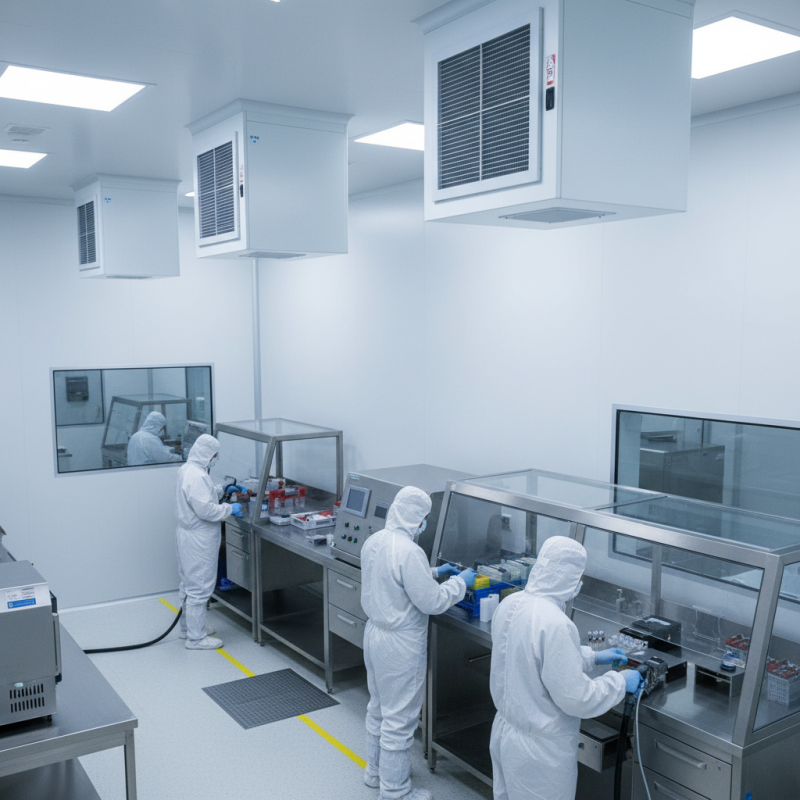
Clean room standards and classifications play a crucial role in maintaining contamination control. These standards dictate the level of particulate contamination allowed in the environment. Clean rooms are classified based on the maximum allowable levels of airborne particles. For instance, an ISO 5 clean room permits fewer than 3,520 particles per cubic meter. Understanding these classifications helps you design and manage clean room operations efficiently.
Different industries, from pharmaceuticals to electronics, demand specific clean room standards. Each industry has unique requirements based on production processes. Meeting these standards is often a challenge. Regular monitoring and maintenance are vital to ensure compliance. Failure to adhere to clean room classifications can lead to product contamination. This can result in costly recalls or health risks.
Employees must also be trained on clean room protocols. Awareness of contamination sources helps minimize risks. However, training can sometimes be overlooked amid busy schedules. Instilling a culture of cleanliness and responsibility can feel daunting but is essential. Constant reflection on practices and adherence to protocols can help reduce contamination more effectively.
| Category | Clean Room Class | Maximum Particles/m³ | Air Change Rate (ACH) | Common Uses |
|---|---|---|---|---|
| ISO 1 | Class 1 | < 10 | > 500 | Microelectronics |
| ISO 5 | Class 100 | < 3,520 | > 100 | Pharmaceuticals, Aerospace |
| ISO 6 | Class 1,000 | < 35,200 | > 60 | Medical Devices, Laboratory Work |
| ISO 7 | Class 10,000 | < 352,000 | > 30 | Biotechnology, Life Science |
| ISO 8 | Class 100,000 | < 3,520,000 | > 10 | Food Industry, Packaging |
Clean room environments are crucial for many industries, especially in semiconductor manufacturing and pharmaceuticals. Key sources of contamination can severely affect product quality. According to the International Organization for Standardization (ISO), over 90% of contamination incidents stem from human activity. Operators can inadvertently introduce particles and microbes during routine tasks.
Another significant contamination source is airborne particles. Studies show that nearly 70% of particles in clean rooms originate from outside the controlled environment. Poor ventilation and air filtration systems lead to elevated contamination levels. Regular monitoring and maintenance are essential to ensure air quality complies with ISO standards. Additionally, using high-efficiency particulate air (HEPA) filters is vital, as they are effective in trapping particles as small as 0.3 microns.
Equipment and materials brought into clean rooms also contribute to contamination risk. A report by the Cleanroom Technology Association indicates that unprotected tools and packaging materials can introduce foreign particles. Employees should receive proper training on contamination control. Developing a culture of cleanliness within the workforce can significantly reduce the rate of contamination incidents. While many procedures exist, companies often overlook small but critical details, leading to lapses in contamination control.
Clean room environments are critical in industries like pharmaceuticals and semiconductors. Maintaining cleanliness is essential to prevent contamination. Personal actions significantly impact this goal. Studies show that up to 70% of contamination comes from personnel. Hence, it is crucial to implement effective practices for personnel contamination control.
Training is vital for cleanroom staff. Regular workshops can help personnel understand contamination sources. Adherence to protocols should be emphasized. Data from the International Society for Pharmaceutical Engineering shows that well-trained staff can reduce contamination incidents by up to 40%. Proper gowning procedures must also be in place. Simple mistakes, like improper glove usage, can compromise the entire environment.
Another factor to consider is behavioral monitoring. Implementing a system to observe compliance can be effective. Encouraging a culture of accountability is essential. Data indicates that sites with regular performance reviews see a 25% reduction in breaches. Physical barriers and proper signage can also assist in controlling contamination. Reflecting on current practices is important. Even the smallest adjustments can lead to significant improvements.
Effective air filtration and HVAC systems are crucial for maintaining clean room environments. These systems help control airborne particles and microorganisms. A well-designed filtration system should include HEPA or ULPA filters. They capture particles as small as 0.3 microns with high efficiency. Regularly checking and replacing filters ensures optimal performance. However, not all filters are created equal; choosing the right one for your specific clean room is essential.
Incorporating a balanced HVAC system supports proper airflow and temperature control. Consistent air circulation helps dilute contaminants. Monitoring humidity levels is also vital, as excess moisture can lead to microbial growth. Frequent maintenance is necessary to prevent system failures. Sometimes, budget constraints can limit the capabilities of HVAC systems, leading to vulnerabilities.
Identifying these gaps in efficiency allows for informed decisions when upgrading systems.
Training your staff on cleanroom protocols is equally important. Even with advanced systems, human error can introduce contaminants. Making adjustments based on routine evaluations can enhance overall cleanliness. Creating a culture of vigilance and responsibility ensures everyone understands their role in maintaining a contamination-free environment. These efforts may not always yield perfect results, but they lay the foundation for ongoing improvement.
Regular monitoring and maintenance are crucial for preserving the integrity of clean room environments. Maintaining optimal conditions requires diligent oversight of air quality, temperature, and humidity. Routine checks help identify any potential issues that could compromise cleanliness. Schedule inspections at frequent intervals to ensure problems are detected early.
Implementing a cleaning protocol is essential. Every surface should be routinely sanitized, and filters should be replaced on time. Pay attention to high-touch areas where contamination may pose a risk. Technicians must be trained to recognize signs of contamination. This ensures immediate action can be taken.
Despite best practices, contamination can sometimes occur. Acknowledging this reality allows for proactive problem-solving. Regular training sessions can improve team awareness. Reflection on past incidents provides insights into maintaining a superior environment. A continuous evaluation of procedures fosters a culture of integrity within clean rooms.
: Clean room standards define allowed levels of particulate contamination. They ensure a controlled environment for various industries.
Clean rooms are classified by maximum allowable airborne particles. For example, ISO 5 allows fewer than 3,520 particles per cubic meter.
Regular monitoring ensures compliance with standards. Neglect can lead to contamination, recalls, or health risks.
Training on clean room protocols minimizes contamination risks. However, busy schedules can make this training easily overlooked.
Effective air filtration systems capture airborne particles. HEPA or ULPA filters can capture particles as small as 0.3 microns.
A balanced HVAC system maintains airflow and temperature. Consistent circulation helps dilute contaminants and controls humidity levels.
Budget constraints may limit HVAC system capabilities. This can expose vulnerabilities in maintaining a clean environment.
Even with advanced systems, human error can introduce contaminants. Creating a culture of vigilance can help reduce risks.
Reflect on current practices and adjust protocols based on evaluations. Continuous improvement efforts may not be flawless but foster better outcomes.
Instilling responsibility in employees is essential for reducing contamination. It can be daunting but is critical for successful clean room operations.
In order to understand how to reduce contamination in clean room spaces effectively, it's essential to familiarize oneself with clean room standards and classifications. Identifying key sources of contamination, such as personnel, equipment, and environmental factors, is crucial for maintaining integrity. Implementing effective practices for personnel contamination control, such as appropriate gowning procedures and hygiene protocols, significantly mitigates risks.
Moreover, utilizing advanced air filtration systems and optimizing HVAC configurations not only minimizes airborne particles but also ensures consistent airflow and temperature control. Lastly, regular monitoring and maintenance are vital to sustain clean room conditions, ensuring compliance with established standards. By following these guidelines, facilities can maintain a high level of cleanliness and reduce contamination risks substantially.

Detzer Homes