How Long Do Prefab Houses Last for Global Buyers?

Time:2026-08-25 Author:Madeline
0%

Prefab houses are gaining popularity among global buyers. A key consideration for potential homeowners is how long do prefab houses last. These structures often promise quick assembly and affordability, but durability remains a vital factor. Homeowners seek reliable insights to make informed decisions.

The lifespan of prefab houses can vary. Factors such as materials, climate, and maintenance play crucial roles. Some models may last 20 years, while others could endure for over 50 years. Many buyers are unaware of these differences. Understanding these variances is essential for anyone considering prefab housing.

Investing in a long-lasting prefab home requires research. Buyers should look into the manufacturer’s reputation and material quality. Engaging with previous owners can offer valuable perspectives. Reflecting on advantages and challenges is important. Ultimately, knowing how long do prefab houses last will guide buyers in making a choice that aligns with their long-term goals.
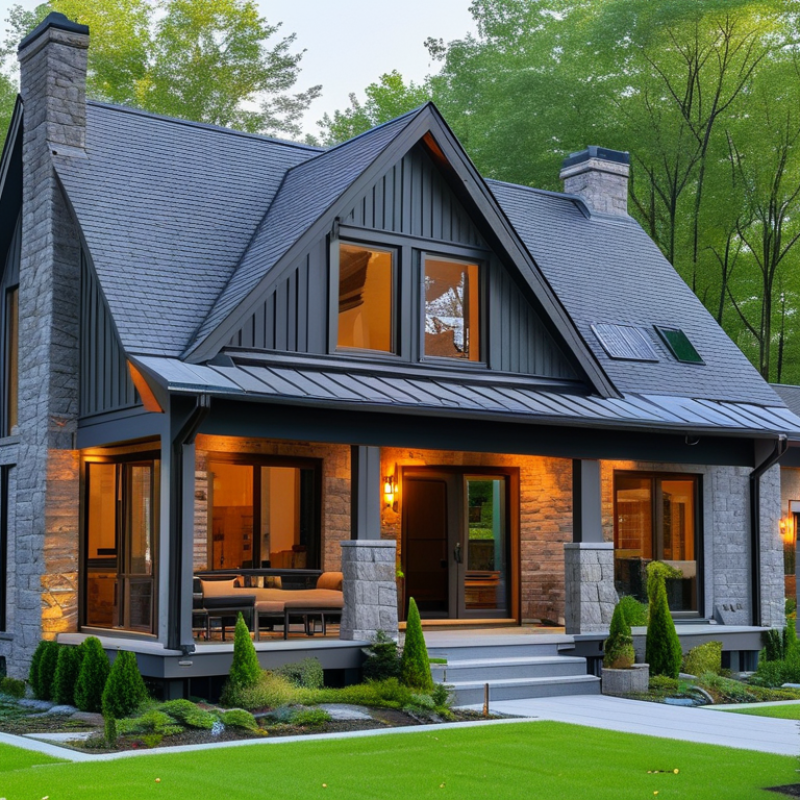
How Long Do Prefab Houses Last for Global Buyers?

Factors Affecting the Lifespan of Prefab Houses

The lifespan of prefab houses can vary significantly based on several factors. Primarily, the materials used in construction play a crucial role. For instance, homes built with high-quality steel and reinforced concrete generally have longer lifespans than those made from less durable materials like wood. According to the Modular Building Institute, well-constructed prefab buildings can last up to 50 years or more with proper maintenance.

Climate also impacts the durability of prefab structures. In areas prone to extreme weather, such as hurricanes or heavy snowfall, the design and materials must be optimized for resistance. Research shows that homes in harsher climates may require periodic repairs and reinforcement to maintain integrity. This can add uncertainty to their overall lifespan.

Moreover, the quality of assembly is vital. Prefab homes are often factory-built, which can ensure precision. However, on-site installation is equally important. A poorly executed foundation can lead to long-term problems. An analysis by the National Association of Home Builders indicates that incorrect installation is one of the leading causes of structural issues in prefab homes. Without careful attention to detail, the longevity of these houses may be compromised despite their initial quality.

Common Types of Prefab Houses and Their Durability

Prefab houses come in various types, each with unique durability traits. Common types include modular, panelized, and manufactured homes. Modular homes are built in sections and offer excellent insulation and longevity. They can last for over 50 years with proper maintenance. Panelized homes are constructed from pre-made panels, which also provide good durability but may need more upkeep. In contrast, manufactured homes typically have a shorter lifespan of around 30 years, depending on materials and maintenance.

When selecting a prefab house, consider climate impact on durability. Homes in harsh weather conditions can experience wear faster. Look for materials specifically designed for durability. Often, manufacturers use advanced techniques to improve resistance to environmental factors. Understanding the expected lifespan can help in making an informed choice.

Reflect on the cost versus longevity. A lower upfront cost might result in higher long-term maintenance. Choosing a durable prefab option can save money over time. Regular inspections and upkeep can extend the life of any prefab home, making this an essential consideration. Investing in quality materials is crucial for lasting results.

Maintenance Practices to Extend the Life of Prefab Homes

Prefab homes offer flexibility and efficiency, but their longevity depends significantly on maintenance. Regular inspections can catch issues early. Look for signs of wear in roofing materials, joints, and foundations. Small cracks may appear over time, indicating a need for repair. Addressing these problems promptly can prevent costly damage.

Weather can impact prefab homes differently. In areas prone to heavy rain or snow, drainage systems require attention. Ensure gutters are clear to avoid water pooling. Seal any areas where pests could enter. A simple check of doors and windows for gaps can enhance insulation and reduce energy costs.

Homeowners can enhance a prefab’s lifespan with routine care. Regularly reapply protective coatings to maintain exterior surfaces. If a section shows significant wear, consider replacement rather than removal. Learning from past repairs can inform better choices for future upgrades. Each maintenance task, no matter how small, plays a crucial role in extending the life of your prefab home.

Impact of Climate and Environment on Prefab House Longevity

The longevity of prefab houses is significantly influenced by climatic conditions and environmental factors. Research indicates that structures in harsher climates can experience a reduction in lifespan. For example, homes in regions with severe winters may face issues like snow load and ice damage. Studies show that prefabricated homes can last between 30 to 70 years, depending on the material used and local weather conditions.

Moisture levels also play a crucial role in the durability of prefab houses. In humid environments, the risk of mold and rot increases, potentially shortening the lifespan significantly. Reports indicate that homes exposed to high humidity need more regular maintenance and upgrades. Regions prone to extreme weather events, such as hurricanes or heavy storms, may require additional reinforcements to withstand these challenges.

Moreover, environmental factors like elevation and location can affect the construction materials chosen. Prefab houses located in flood-prone areas must utilize water-resistant features. This adaptation may not only prolong the house's life but also require thoughtful planning and investment. While prefab houses offer a flexible living solution, climate impacts must be considered carefully to ensure they stand the test of time in diverse environmental conditions.

Impact of Climate and Environment on Prefab House Longevity

Comparing Prefab Houses to Traditional Homes in Terms of Durability

When considering the durability of prefab houses compared to traditional homes, various factors come into play. Prefab houses are often constructed using advanced materials that offer strength and resilience. However, quality can vary widely based on the manufacturer and building process.

Traditional homes typically use brick, wood, and concrete, which have stood the test of time. These materials are familiar to builders and architects alike. Yet, some traditional homes can suffer from issues like mold and decay. The expertise behind the construction of a prefab home can lead to a product that is just as durable.

However, it’s crucial to recognize that not all prefab homes are equal. Some may lack the thorough insulation and foundation work found in traditional builds. Climate can also influence longevity; extreme weather can challenge even the best prefab designs. Buyers need to conduct thorough research. This ensures they select a model built to last, considering local conditions and expert reviews.

FAQS

: What types of prefab houses are common?

: Common types include modular, panelized, and manufactured homes, each with unique durability.

How long can a modular house last?

A modular home can last over 50 years with proper maintenance and care.

Are panelized homes durable?

Yes, panelized homes offer good durability but may require more regular maintenance.

What is the lifespan of manufactured homes?

Manufactured homes typically last around 30 years, influenced by materials and upkeep.

How does climate affect prefab house durability?

Harsh climates can reduce lifespan due to factors like snow load and ice damage.

What role does moisture play in durability?

High humidity increases mold risks, potentially shortening prefab houses' lifespans significantly.

Should I consider environmental factors when choosing a prefab house?

Yes, factors like elevation and location affect material choices and house longevity.

How can I extend the life of a prefab home?

Regular inspections and quality materials can help enhance durability and longevity.

Is investing in durable materials worth it?

Yes, durable options might have a higher upfront cost but can save money over time.

What challenges do extreme weather pose to prefab homes?

Extreme weather may require additional reinforcements to ensure homes withstand such events.

Conclusion

Prefab houses have gained popularity due to their efficiency and cost-effectiveness, but a common question remains: how long do prefab houses last? The lifespan of these homes is influenced by several factors, including construction materials, design, and local environmental conditions. Generally, well-constructed prefab houses can last 50 years or more, comparable to traditional homes, but their longevity can vary significantly based on maintenance practices and the climate they are situated in.

To ensure a long-lasting prefab house, regular maintenance is essential. This includes routine inspections and repairs to address any wear and tear that may arise over time. Additionally, understanding the impact of local climate—such as exposure to extreme weather conditions—can help homeowners take proactive measures to protect their investment. Ultimately, by comparing prefab houses to traditional homes, it's clear that with the right care, prefab homes can be a durable and sustainable housing option.

Madeline

Madeline

Madeline is a dedicated marketing professional with a wealth of expertise in our company's core offerings. With a keen understanding of the industry, she brings a unique perspective to her role, consistently delivering high-quality content that highlights the superior aspects of our products. As......