When considering prefab houses, many potential homeowners often wonder, "how long do prefab houses last?" Industry expert Dr. Rachel Adams, a leading architect specializing in sustainable housing, emphasizes, "The lifespan of a prefab home often parallels that of traditional homes, depending on materials and maintenance." This insight reveals the importance of understanding the longevity of prefab structures.
Prefab homes are designed with durability in mind. However, various factors influence their lifespan. Quality of materials, local climate, and maintenance practices play crucial roles. For instance, homes built with high-grade materials in a moderate climate may last several decades. In contrast, those constructed from less durable materials in harsher environments may require more upkeep.
Despite their advantages, some challenges arise. Homeowners must remain vigilant about maintenance. Regular inspections and timely repairs can prevent small issues from escalating. A well-maintained prefab home can offer comfort and security for years. Yet, neglect could shorten its lifespan. Understanding the nuances helps potential buyers make informed decisions about prefab housing.
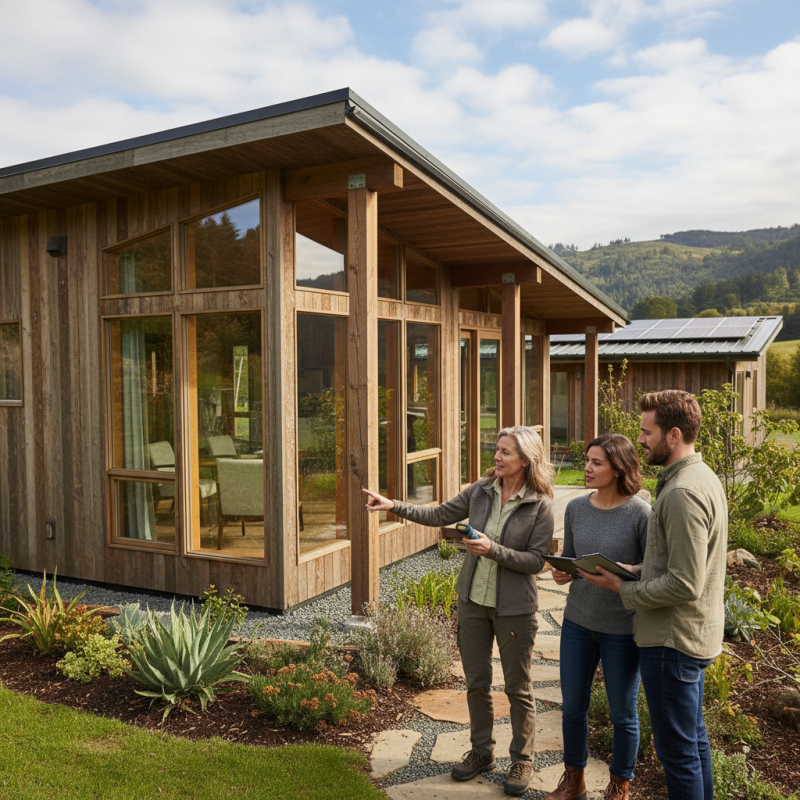
Factors Influencing the Lifespan of Prefab Houses
When considering prefab houses, their lifespan is influenced by several crucial factors. One major element is the quality of materials used in construction. High-quality, durable materials can extend the life of a house significantly. On the other hand, cheaper alternatives may lead to quicker degradation. Exposure to environmental conditions also plays a key role. Houses situated in harsh climates may require more maintenance and repairs.
Another factor to consider is the level of design and engineering behind the prefab home. Well-designed structures that are built to withstand specific local conditions often last longer. Regular maintenance is essential as well. Even the best-built homes need upkeep to ensure longevity. Neglecting simple repairs can lead to larger, costlier issues down the road.
Finally, personal usage patterns can impact the lifespan of a prefab house. Intensive use or improper handling can shorten its effective life. Understanding these factors can provide valuable insights into what to expect from a prefab home. Making informed choices can influence not just how long your home lasts, but also how well it performs over time.
Common Materials Used in Prefab Construction and Their Durability
Prefab houses have gained popularity for their quick assembly and cost-effectiveness. The materials used in these constructions play a significant role in their overall durability. Common materials include wood, steel, concrete, and prefabricated panels. Each has distinct properties that affect longevity.
Wood, often used for framing, is lightweight and provides good insulation. However, it can be susceptible to moisture and pests, requiring regular maintenance. Steel is known for its strength and resistance to extreme weather. It can last decades with minimal upkeep. Concrete offers exceptional durability and is resistant to elements. Yet, it can crack over time, especially if not mixed properly.
Other materials like SIPs (Structural Insulated Panels) are becoming popular. They provide excellent energy efficiency. But their lifespan can vary based on proper installation. Choosing the right materials is crucial. The final outcome will depend on the climate and maintenance routine. Reflecting on material choices can help homeowners avoid future issues.
How Long Do Prefab Houses Last and What to Expect? - Common Materials Used in Prefab Construction and Their Durability
| Material |
Typical Lifespan (Years) |
Durability Rating |
Maintenance Needs |
| Wood |
30 - 50 |
Moderate |
Regular sealing and painting |
| Steel |
50+ |
High |
Minimal; occasional rust treatment |
| Concrete |
50 - 100 |
Very High |
Low; minor cracks need repair |
| Fiber Cement |
30 - 50 |
High |
Periodic repainting |
| Vinyl |
20 - 40 |
Moderate |
Cleaning as needed |
Expected Maintenance for Extending the Life of Prefab Homes
Prefab homes are an attractive option for many homeowners. However, understanding their longevity and required maintenance is key. Regular maintenance can greatly extend the life of prefab homes. It's essential to focus on both exterior and interior care.
One important maintenance tip is to inspect the exterior regularly. Look for signs of wear or damage. This includes checking for cracks in the siding and ensuring that seals around windows and doors are intact. Monthly checks can help identify problems early. Clean gutters and downspouts to prevent water damage.
Inside the home, pay attention to HVAC systems. Regular filter changes maintain air quality. Dust and debris can accumulate quickly. It’s crucial to perform thorough cleanings at least twice a year. If any unusual noises occur, contact a professional immediately. Regular inspection can prevent bigger issues down the line.
Remember that prefab homes might require different care than traditional homes. Stay informed and proactive. This approach helps maintain value and livability.
Comparing Prefab Houses with Traditional Homes on Longevity
When comparing prefab houses with traditional homes, one key factor is longevity. Traditional homes often use brick, wood, and concrete. These materials can withstand harsh weather and last decades. Many homeowners expect traditional homes to last 50 years or more. This expectation often shapes their investment decisions.
Prefab houses, on the other hand, have a mixed reputation. Built in factories, they are designed for efficiency. However, the quality of materials can vary greatly. Some prefab homes can last up to 30 years with proper maintenance. Yet, homeowners may need to repair issues sooner due to inferior materials. Understanding the potential trade-offs is essential for prospective buyers.
Weather, maintenance, and location also play significant roles in a home's longevity. Prefab houses in harsh climates may suffer more damage than traditional ones. Regular inspections are crucial for both types of homes. Investing in quality materials and skilled labor can help extend a prefab home's lifespan. Ultimately, knowledge and proper care can significantly impact how long any home lasts.
Real-Life Examples of Prefab Houses: Lifespan and Performance
Prefab houses have gained popularity due to their rapid construction and affordability. However, their lifespan and performance are key factors that require close examination. According to the American Institute of Architects, well-constructed prefab homes can last as long as traditional homes, typically ranging from 50 to 100 years. Importantly, the quality of materials and the manufacturing process significantly influence durability.
For instance, a study published in the Journal of Architectural Engineering indicates that homes built with advanced wood materials outperform conventional ones in various conditions. These innovative materials resist moisture and pests better, leading to potentially longer life spans. Real-life examples reveal variability; some prefab houses built in coastal areas struggle with corrosion and weather damage, while others thrive due to robust design.
Sustainability is also a concern. Research by the National Renewable Energy Laboratory shows that many prefab homes can be energy efficient. Yet, not all designs maximize energy performance. Homeowners must carefully evaluate energy standards during construction. A prefab house might last decades, but without careful planning, it can also show signs of wear and require early renovations.
FAQS
: Traditional homes can last 50 years or more with proper maintenance. Brick, wood, and concrete contribute to their durability.
Well-constructed prefab homes may last up to 30 years or more. Some can match traditional homes, lasting between 50 to 100 years.
Quality of materials, weather conditions, and regular maintenance significantly impact longevity. Location also plays an important role.
Many prefab homes can be energy efficient. However, not all designs optimize energy performance, which may lead to issues.
Some prefab homes use inferior materials, leading to wear and tear. This can cause repairs to be needed earlier than expected.
Prefab houses in harsh climates may experience more damage than traditional homes. Regular inspections are essential for longevity.
Some believe all prefab homes are of lower quality. In reality, well-constructed prefab homes can be equally durable.
Potential buyers should evaluate quality of materials and reputation of manufacturers. Understanding trade-offs is crucial for informed decisions.
Regular maintenance is crucial for keeping both prefab and traditional homes in good condition and extending their lifespan.
Yes, the location can greatly influence durability. Coastal homes may face corrosion, while others may thrive with smart design choices.
Conclusion
Prefab houses, or prefabricated homes, have gained popularity due to their cost-effectiveness and efficiency, but many potential homeowners often wonder, "how long do prefab houses last?" The lifespan of these structures is influenced by several factors, including the materials used in construction, environmental conditions, and maintenance practices. Common materials like wood, steel, and concrete each offer varying levels of durability, impacting the overall longevity of the home.
To extend the life of prefab homes, regular maintenance such as inspections, sealing, and repairs is essential. When comparing prefab houses with traditional homes, prefabs can offer comparable lifespans if well-maintained. Real-life examples show that many prefab houses hold up impressively, with some lasting over several decades, demonstrating that with proper care, prefab homes can be a durable and lasting solution for homeowners.

 Detzer Homes