Top 10 Latest Trends in Modular Construction You Should Know?

Time:2026-07-06 Author:Charlotte
0%

The world of construction is evolving rapidly. Modular construction is at the forefront of this change. As more companies embrace this innovative approach, many are asking, "What are the latest trends in modular construction?" Identifying these trends can provide valuable insights.

Sustainability is becoming a top priority. Builders focus on eco-friendly materials and waste reduction. This trend aligns with global calls for greener practices. Additionally, technology integration is significant. Advancements in automation and prefabrication enhance efficiency and precision.

However, challenges exist. Not all developers understand how to implement these trends effectively. A lack of standardized regulations can complicate projects. There is still a learning curve for the industry. Adapting to these new norms requires education and experience. By exploring these trends, stakeholders can better navigate the evolving landscape of modular construction.
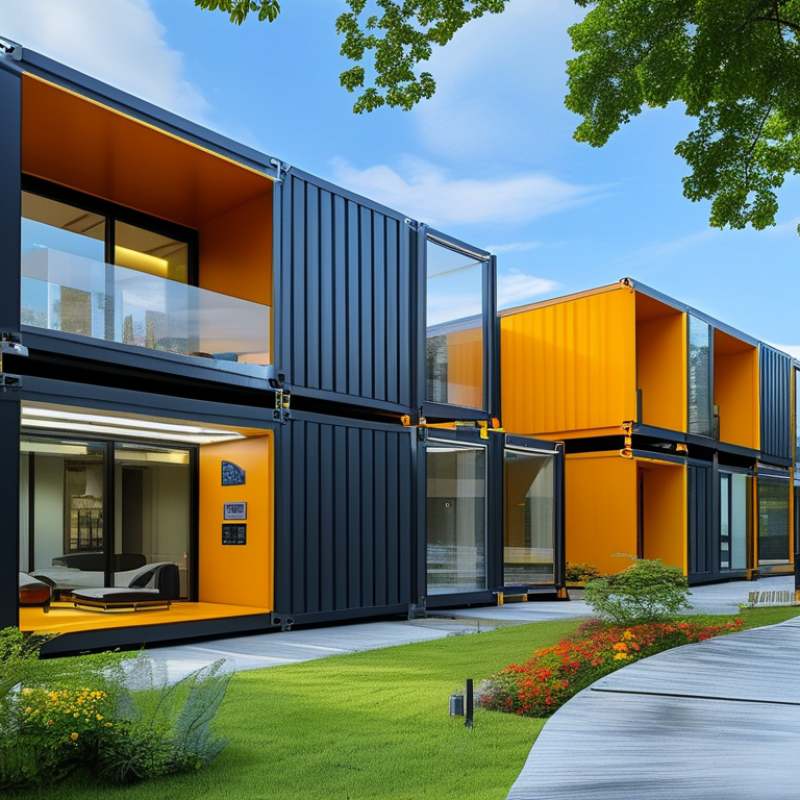
Top 10 Latest Trends in Modular Construction You Should Know?

Emergence of Sustainable Materials in Modular Construction

In recent years, the modular construction sector has witnessed a significant shift towards sustainability. The emergence of sustainable materials is one of the key trends reshaping this industry. A report by McKinsey highlights that modular methods can reduce construction waste by 30% to 50%. This is partly due to the efficient use of materials and better planning.

Sustainable materials like bamboo and recycled steel are gaining popularity. Statistics show that using recycled content can lower overall material costs by 20%. Moreover, these materials often have a lower carbon footprint, making them an attractive option for builders. However, challenges remain. Sourcing high-quality sustainable materials can sometimes lead to inconsistent availability.

There is also a learning curve associated with sustainable practices. Builders must train their teams in new techniques and material properties. According to the World Green Building Council, only 27% of construction professionals feel confident in using alternative materials. As the industry adapts, the potential for innovation in modular construction grows, pushing the boundaries of what's possible.

Integration of Smart Technology into Modular Building Designs

The integration of smart technology into modular building designs is rapidly transforming the construction industry. Architects and builders are embracing automation and IoT devices to enhance the functionality of modular structures. Smart sensors can monitor energy usage, predict maintenance needs, and optimize living conditions. This means greater efficiency and comfort for occupants.


However, the implementation of smart technology comes with challenges. The complexity of integrating various systems can lead to compatibility issues. There are concerns about data security and privacy as well. Property owners must ensure that their smart systems are protected from cyber threats. Despite these issues, the benefits often outweigh the drawbacks, leading to innovative solutions.


Moreover, the use of smart technology in modular construction isn't universally understood. Many construction professionals are still adapting to these changes. Training and education are essential to maximize the potential of these advancements. As the industry evolves, collaboration between technology providers and builders will be key. Embracing this shift can revolutionize living spaces, making them more responsive and adaptable to human needs.

The Role of 3D Printing in Modular Construction Innovations

The introduction of 3D printing in modular construction is revolutionizing the industry. Recent reports indicate that the global 3D printing construction market will reach $1.5 billion by 2025, showcasing a substantial growth trajectory. This technology allows for rapid prototyping and construction, significantly reducing lead times. Structures can be produced off-site, which minimizes disruption in urban areas.

3D printing is not just about speed; it also enhances design flexibility. Architects can create complex shapes that traditional methods cannot achieve. However, the technology is not without challenges. Material constraints and print quality issues need addressing before widespread adoption. Moreover, skills gaps exist; workers must be trained to operate sophisticated 3D printers. A study revealed that 30% of construction professionals lack adequate training in advanced technologies like 3D printing.

While the potential is enormous, the industry faces hurdles. Regulations and standards are still evolving, which can slow progress. A collaborative approach involving stakeholders is essential for addressing these concerns. It's an exciting time, yet critical issues remain that require thoughtful solutions to unlock the full promise of 3D printing in modular construction.

Adoption of Off-Site Fabrication Techniques for Efficiency

The shift towards off-site fabrication techniques is gaining momentum in modular construction. This approach allows components to be manufactured in controlled environments. It enhances product quality and reduces waste significantly. According to a recent study by McKinsey, modular construction can reduce project timelines by up to 50%. This efficiency is critical in an industry that battles delays and cost overruns.

A notable trend is the integration of advanced technologies into off-site fabrication. Building Information Modeling (BIM) is becoming standard practice. It facilitates better collaboration among stakeholders and improves accuracy in the construction process. Research from the Construction Industry Institute indicates that projects utilizing BIM notice a 20% reduction in costs. However, the initial investment in technology can be a hurdle for some firms.

While the benefits are compelling, challenges remain. Workforce training is crucial for adopting these new techniques effectively. Many workers are accustomed to traditional methods. Integrating off-site techniques may meet resistance without proper training programs. Additionally, logistics and transportation of prefabricated modules can pose challenges, especially in urban areas. Finding solutions for these issues is essential for fully realizing the efficiency potential that off-site fabrication offers.

Top 10 Latest Trends in Modular Construction

This chart illustrates the adoption rates of various off-site fabrication techniques in modular construction, highlighting the increasing efficiency associated with each method over recent years.

Enhancing Flexibility and Customization in Modular Homes

Modular homes are revolutionizing residential construction by offering enhanced flexibility and customization. This emerging trend allows homeowners to personalize spaces to fit their lifestyles. From choosing layouts to selecting finishes, the options seem endless. People now have more control over their living environments.

Consider integrating sustainable materials into your design choices. Investing in energy-efficient features not only benefits the environment but also reduces long-term costs. Flexibility often comes with challenges. Sometimes, the range of options can be overwhelming.

Another trend is the focus on multi-use spaces. Homeowners can design rooms that serve various functions. This adaptability maximizes square footage in smaller homes. However, balancing aesthetics with functionality can be tricky. Always ask yourself if the space works as intended.

Don’t forget about technology. Smart home systems are becoming standard in modular design. They offer convenience and improve daily life. Yet, technology can create dependency. Ensure that reliance on gadgets doesn’t overshadow personal interaction in your home.

In this evolving landscape, it's essential to reflect on what truly matters in your living space. Prioritize what will enhance your lifestyle.

Top 10 Latest Trends in Modular Construction You Should Know

Trend Description Benefits Implementation Level
Sustainable Materials Use of eco-friendly building materials to reduce environmental impact. Lower carbon footprint, improved indoor air quality. High
Smart Technology Integration Incorporating smart home technology for enhanced automation. Increased convenience, energy efficiency. Medium
Enhanced Modular Design Flexible designs that cater to diverse customer needs. Customization, improved customer satisfaction. High
Offsite Construction Building modules offsite to enhance construction speed. Reduced construction time, improved quality control. High
Hybrid Construction Combining modular and traditional building methods. Flexibility in project delivery, tailored approaches. Medium
3D Printing Utilizing 3D printing technology for components. Cost-effective, complex designs made simple. Low
Better Compliance with Regulations Aligning modular construction with building codes and standards. Fewer delays, reduced risk of legal issues. High
Resilient and Disaster-Resistant Structures Designing modules that can withstand natural disasters. Increased safety, lower insurance costs. Medium
Diverse Applications for Modular Construction Utilizing modular designs in various sectors: residential, commercial, and healthcare. Broader market reach, innovation in different fields. High

FAQS

: What is the role of smart technology in modular building designs?

: Smart technology enhances functionality in modular buildings, improving efficiency and comfort for occupants.

Are there challenges associated with implementing smart technology?

Yes, integration can lead to compatibility issues and there are concerns about data security.

How does 3D printing impact modular construction?

3D printing allows for rapid prototyping, reduces lead times, and enables complex designs.

What are some challenges faced in 3D printing for construction?

Material constraints and print quality issues pose challenges. Training for workers is also lacking.

How can customization enhance modular homes?

Homeowners can personalize layouts and finishes, making spaces fit their lifestyles.

What is a potential downside of having too many customization options?

The variety of choices can be overwhelming, making decision-making difficult.

How can integrating sustainable materials benefit modular homes?

Sustainable materials improve the environment and reduce long-term costs for homeowners.

What trends are emerging in modular home designs?

Multi-use spaces are popular, allowing rooms to have various functions and maximizing square footage.

What should homeowners consider when using technology in their designs?

Reliance on smart home systems can lead to dependency; personal interactions should still be prioritized.

How important is training in realizing the potential of new construction technologies?

Training is essential; many professionals lack skills in advanced technologies like 3D printing.

Conclusion

The landscape of modular construction is rapidly evolving, and understanding what are the latest trends in modular construction is essential for industry professionals and stakeholders. One significant trend is the emergence of sustainable materials, which cater to the growing demand for eco-friendly building solutions. Additionally, the integration of smart technology into modular designs enhances energy efficiency and connectivity among buildings.

Furthermore, the role of 3D printing is increasingly important, driving innovations that allow for quicker and more precise construction processes. The adoption of off-site fabrication techniques is also enhancing efficiency by reducing on-site construction times and labor costs. Lastly, there is a growing emphasis on enhancing flexibility and customization, allowing modular homes to better meet the specific needs of homeowners. Collectively, these trends are reshaping the future of modular construction, making it more sustainable, efficient, and adaptable.

Charlotte

Charlotte

Charlotte is a seasoned marketing professional with a deep understanding of the company's portfolio and a passion for elevating its presence in the market. With a keen eye for detail and a commitment to excellence, she ensures that our professional blog is regularly updated with insightful articles......