In the realm of construction, ensuring structural safety in steel buildings is a pressing concern. Recent studies indicate that around 30% of structural failures arise from design flaws or inadequate materials. Understanding how to ensure structural safety in steel buildings is crucial for architects and engineers alike. Industry reports emphasize the importance of adhering to standards set by organizations such as the American Institute of Steel Construction (AISC).
Maintaining structural integrity requires a multifaceted approach. Regular inspections can identify potential weaknesses early on. Additionally, the materials used must meet stringent quality controls. According to a National Institute of Standards and Technology report, improper material specifications have been linked to nearly 40% of building vulnerabilities. Unfortunately, many projects overlook these critical aspects, assuming that compliance alone guarantees safety.
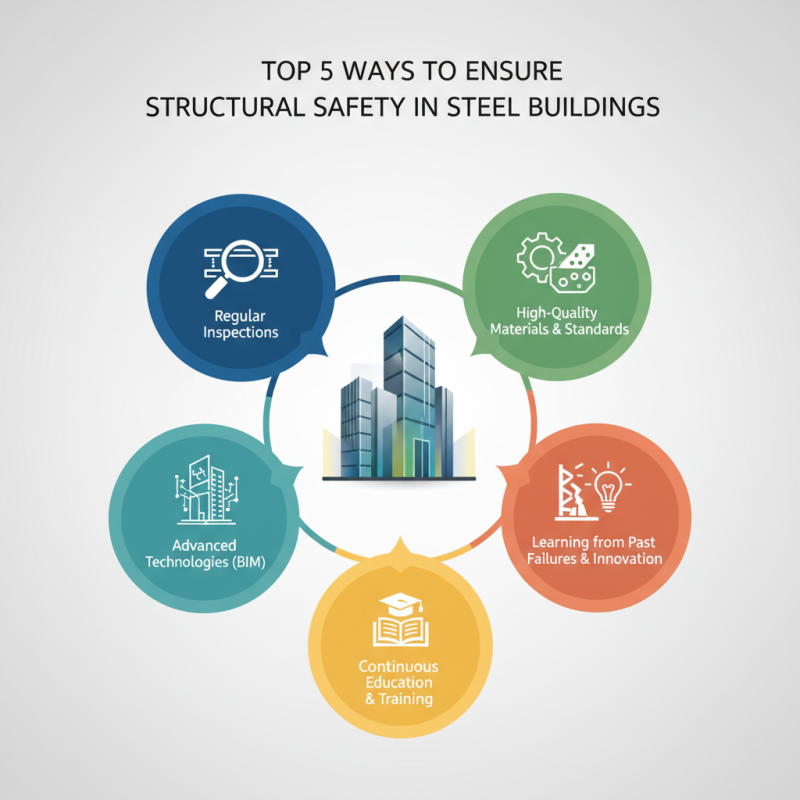
Emphasizing continuous education and training for industry professionals can bridge this gap. Incorporating advanced technologies, such as Building Information Modeling (BIM), can revolutionize how safety is assessed. Reflecting on past failures highlights the necessity for vigilance and innovation in design processes. As the industry evolves, so must our strategies to ensure safety in steel structures.
Best Practices for Material Selection in Steel Construction
Selecting the right materials for steel construction is crucial for ensuring structural safety. A report by the American Institute of Steel Construction indicates that nearly 30% of structural failures are linked to material issues. Proper material selection not only enhances durability but also improves load-bearing capacity. Using high-quality steel can significantly reduce risks associated with corrosion, fatigue, and joint failures.
It’s essential to consider the environmental conditions that steel structures will face. For example, areas prone to heavy rainfall or high humidity require weather-resistant materials. However, the selection process is often flawed. Many developers overlook local environmental factors, which can lead to premature structural degradation. This oversight highlights a common gap in the decision-making process.
Additionally, testing and certification are vital steps in material selection. According to the International Code Council, materials used in construction must be compliant with standards to ensure safety and performance. However, sourcing certified materials can sometimes be a challenge due to market availability. Construction teams need to remain vigilant and seek transparent sources, ensuring materials meet the necessary safety specifications. Engaging qualified engineers and material scientists in the planning phase can also help refine choices and minimize risks.
Importance of Proper Structural Design and Engineering Analysis
Proper structural design is paramount in ensuring the safety of steel buildings. Research indicates that up to 80% of structural failures can be traced back to inadequate design and analysis. Using advanced engineering methods reduces these risks. Finite Element Analysis (FEA) allows engineers to simulate real-world conditions. This method aids in identifying potential weak points before construction begins.
The role of professionals in this process cannot be overstated. Engineers with expertise in steel structures apply codes and standards diligently. A study by the American Institute of Steel Construction finds that buildings built under stringent guidelines exhibit a 60% decrease in structural issues over the lifetime of the structure. This reinforces the need for detailed planning and rigorous checks.
Conversely, overlooking factors such as load-bearing capacity and environmental influences can lead to catastrophic failures. A case study highlighted a bridge collapse, where inadequate structural analysis was a primary factor. It serves as a reminder that even minor oversights can have severe consequences. Investing time and resources in thorough engineering analysis is essential for safety.
Top 5 Ways to Ensure Structural Safety in Steel Buildings
| Method |
Description |
Importance |
Implementation Steps |
| 1. Comprehensive Design Analysis |
Conduct detailed calculations and simulations to predict the building's response to loads. |
Ensures that all load conditions are adequately considered for safety. |
Gather data, use design software for simulations, and conduct peer reviews. |
| 2. Quality Material Selection |
Choose high-grade steel and materials that meet industry standards. |
High-quality materials reduce risk of structural failure. |
Evaluate suppliers, test materials for compliance, and document certifications. |
| 3. Regular Inspections |
Schedule periodic inspections to identify potential structural issues. |
Early detection of damage prevents catastrophic failures. |
Create an inspection checklist, assign qualified personnel, and maintain records. |
| 4. Structural Reinforcements |
Implement reinforcements where necessary to enhance load-bearing capacity. |
Increases the durability and lifespan of the structure. |
Evaluate existing structures, design reinforcements, and apply rigorously. |
| 5. Compliance with Building Codes |
Ensure all designs meet local and international building regulations. |
Legally ensures structure integrity and safety standards. |
Stay updated on regulations, review plans, and obtain permits. |
Implementing Quality Control Measures During Construction
Quality control is essential in ensuring the structural safety of steel buildings during construction. Adopting rigorous quality control measures can significantly reduce risks associated with construction defects. Inspectors should regularly evaluate materials and workmanship. This step ensures everything meets established standards. Any deviation from these standards can lead to serious safety issues later.
Detailed documentation of each stage of construction is crucial. This includes recording test results, inspections, and approvals. Poor record-keeping can result in misunderstandings and overlooked mistakes. Effective communication between engineers and on-site workers is also vital. Miscommunications can easily lead to critical oversights. Regular training sessions can enhance awareness among workers about the importance of quality control.
Implementing a consistent review process, including peer evaluations, adds another layer of safety. Random checks can reveal unnoticed issues. However, it’s important to acknowledge that no system is infallible. The human factor always introduces room for error. Constant reflection on both processes and outcomes can help improve overall quality and safety. Building a culture of accountability among all team members is essential for long-term success.
Top 5 Quality Control Measures During Construction for Steel Buildings
Conducting Regular Inspections and Maintenance for Longevity
Regular inspections and maintenance are vital for the longevity of steel buildings. An investment in routine checks not only enhances safety but also prolongs the structure's life. Structural issues can develop unnoticed in steel buildings. Rust, corrosion, and fatigue can weaken integrity over time. Inspections help identify these issues early and offer solutions before they escalate.
Implementing a detailed inspection schedule is essential. Trained professionals should examine the welds, joints, and connections. These areas face immense stress during a building's lifespan. Maintenance actions like painting and rust treatment are crucial. They protect structural components from environmental damage. Even minor surface flaws should not be overlooked. Every detail counts in maintaining structural integrity.
Furthermore, documentation of inspections can reveal patterns over time. Trends can highlight recurring problems that need addressing. Reflecting on past maintenance actions can offer insights into effective practices. Learning from previous oversights fosters a culture of safety. It encourages continuous improvement in inspection processes. Structural safety in steel buildings hinges on consistent evaluations. This ensures a safer environment for occupants.
Utilizing Advanced Technologies for Structural Monitoring and Safety
In the construction of steel buildings, ensuring structural safety is paramount. The integration of advanced technologies for structural monitoring plays a critical role. Recent studies indicate that 30% of structural failures can be attributed to undetected stress or wear in materials. This highlights the necessity for continuous monitoring systems that provide real-time data.
Utilizing sensors and IoT devices allows engineers to assess the integrity of a structure efficiently. This technology can detect slight deformations and vibrations. Data collected from these systems helps to predict potential failures before they occur. For instance, smart materials can provide feedback on stress levels and fatigue, facilitating timely interventions.
**Tip:** Regularly assess and upgrade monitoring technologies. Rely on sensors that offer insights into the building’s performance under varying conditions.
However, relying solely on technology isn't enough. Human oversight remains essential. Engineers must analyze data and exercise judgment on maintenance needs. A robust safety culture combines tech with expertise.
**Tip:** Conduct training sessions for staff on interpreting monitoring system data. Empower teams to identify problems proactively.
Emphasizing both technology and human expertise can enhance safety significantly. This integrated approach forms a critical foundation for sustainable structural safety in steel buildings.
Conclusion
To ensure structural safety in steel buildings, it is essential to follow several best practices throughout the construction process. First, meticulous material selection is crucial; choosing high-quality steel that meets established standards lays a strong foundation. Proper structural design and thorough engineering analysis further enhance safety by ensuring that the building can withstand various stresses and loads.
Additionally, implementing quality control measures during construction helps identify potential issues before they compromise structural integrity. Regular inspections and maintenance are vital for long-term durability and performance, allowing for timely intervention when necessary. Finally, utilizing advanced technologies for structural monitoring can provide real-time data on the building's health, enabling proactive measures to maintain safety. By integrating these strategies, stakeholders can effectively learn how to ensure structural safety in steel buildings.

 Detzer Homes