Prefabricated buildings are gaining popularity in the construction industry. Many people wonder what are the benefits of prefabricated buildings. These structures offer a range of advantages that can impact both time and costs.
One significant benefit is reduced construction time. Traditional building methods often involve lengthy timelines due to various delays. In contrast, prefabricated buildings can be assembled quickly. This efficiency can lead to faster project completion, which is appealing to clients. Additionally, the controlled environment in which these components are manufactured results in higher quality products.
Cost savings also play a crucial role. The streamlined process lowers labor costs and minimizes waste. This means more budget availability for other project aspects. However, some may find it challenging to understand the initial investment. Still, the long-term savings and durability often outweigh initial costs. Exploring prefabricated buildings could provide more insights into your future projects.
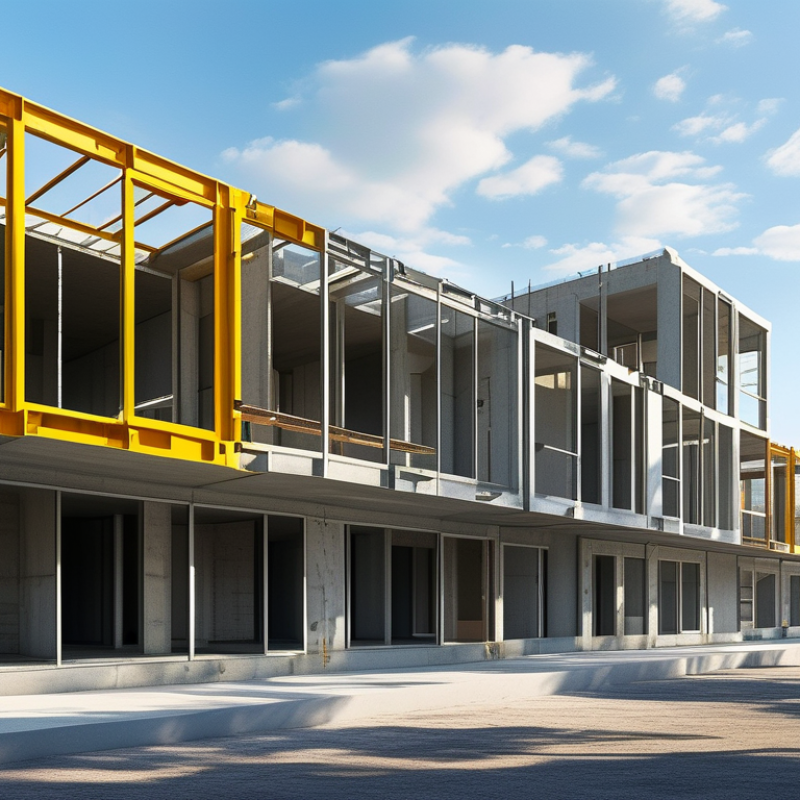
Prefabricated buildings have gained popularity for their efficiency and sustainability. These structures are made off-site and assembled on location. This method allows for faster construction times, reducing labor costs. Builders can install prefabricated elements with precision, minimizing waste in the process. The components are often manufactured in controlled environments, which enhances quality control. Many appreciate the consistent quality that prefabrication offers.
An essential aspect of prefabricated buildings is their versatility. They can serve various purposes, from residential homes to commercial spaces. This adaptability meets the needs of different sectors. However, there are challenges. Some builders may worry about local regulations that govern construction standards. Others might fear that prefabricated designs lack aesthetic appeal. These concerns require careful consideration.
Despite potential drawbacks, the benefits are significant. Prefabricated buildings can often be more energy-efficient compared to traditional methods. This approach fosters environmentally friendly practices in construction. Energy savings can translate into lower utility bills for occupants. Ultimately, exploring prefabricated buildings offers insights into modern construction trends. It's crucial to weigh the benefits against any concerns before making a decision.
Prefabricated buildings have gained popularity due to their versatility and efficiency. They come in various types, each serving unique needs. For instance, modular buildings are often used in schools or offices, offering quick assembly and cost-effective solutions. Steel buildings are favored for warehouses, thanks to their durability and low maintenance requirements. The global prefabricated building market is projected to reach $38.5 billion by 2027, according to a recent report by ResearchAndMarkets.
Another type is panelized buildings, widely used in residential construction. These buildings allow for fast assembly and can significantly reduce labor costs. Additionally, shipping container buildings gain traction for innovative housing solutions. The ability to repurpose containers means lower environmental impact. However, challenges exist regarding insulation and adaptability.
Tips: When considering a prefabricated option, research local zoning laws. Understand the installation process, as some systems require special foundations. Explore financing options for your project to maximize benefits. Take time to compare the long-term costs versus traditional building methods. Every choice shapes your project's outcome.
Prefabricated construction methods offer several key advantages shaping the future of building. They provide remarkable efficiency, with reductions in construction time by 30-50% compared to traditional methods. According to a report by McKinsey, prefabricated buildings can lead to a 20% overall cost saving. This efficiency is crucial, especially in today's fast-paced construction environment.
Another significant benefit is sustainability. Prefabricated buildings generate less waste during construction. The National Institute of Standards and Technology estimates that this method can reduce on-site waste by up to 90%. Prefabrication also allows for better quality control, as components are made in controlled factory settings. However, it's important to note that not all designs lend themselves well to prefabrication. Some projects may face challenges in customization or structural complexities.
Moreover, the flexibility of prefabricated systems enhances project adaptability. These buildings can be easily expanded or modified, accommodating future needs. Despite these advantages, like any approach, there are limitations. Some builders still grapple with perceptions of quality and durability. Addressing these concerns transparently can strengthen trust in prefabricated solutions, fostering a more widespread acceptance of this construction method.
Evaluating the quality of prefabricated systems requires attention to several critical aspects. First, consider the materials used in construction. High-quality prefabricated buildings often utilize durable materials that meet industry standards. According to a report from the Modular Building Institute, buildings made with prefabricated components can exhibit an average reductions in energy use of 20% compared to traditional methods (2021). This offers a clear advantage in both sustainability and cost-efficiency.
Next, assess the manufacturer’s reputation and their experience in the industry. Resources like the National Association of Home Builders have found that 74% of builders prioritize manufacturer reliability when selecting prefabricated systems. This points to the importance of background research. Expert endorsements or reviews can further enhance confidence in the quality. It's also wise to check for certifications, such as ISO or LEED, signifying adherence to rigorous standards.
Finally, examine completed projects. Take note of clients’ experiences, including any challenges faced. Real-world examples can highlight potential flaws, such as issues in thermal performance or assembly complexities. All these factors contribute to a comprehensive evaluation of prefabricated buildings, ensuring that your investment aligns with desired quality and functionality.
When selecting a prefabricated building manufacturer, focus on experience and expertise. Look for companies with a solid track record. They should provide examples of completed projects. Check how long they have been in business. Years of experience can indicate reliability.
Research is critical. Look for online reviews and testimonials. Real feedback from past clients can reveal a lot about a manufacturer’s quality and service. Pay attention to any persistent complaints. This can signal potential issues.
Visit their facilities if possible. A tour can provide insights into their processes and materials. Ask about their construction methods and quality control measures. This will help gauge their level of professionalism. It's also essential to evaluate their customer support. Quick and effective communication can make a significant difference in your experience.
| Criteria | Description | Importance |
|---|---|---|
| Price | Evaluate the cost of prefabricated buildings compared to traditional construction. | High |
| Quality of Materials | Check the quality standards of materials used by the manufacturer. | High |
| Customization Options | Determine how customizable the buildings are to meet specific needs. | Medium |
| Manufacturing Time | Assess the time frame for production and delivery. | High |
| Building Codes Compliance | Ensure the manufacturer adheres to local building codes and regulations. | High |
| Customer Reviews | Look for feedback and testimonials from previous clients to gauge satisfaction. | Medium |
| Post-Delivery Support | Check for warranty and support offered after delivering the building. | Medium |
: Prefabricated buildings are constructed off-site and assembled quickly on location. They save time and costs.
Common types include modular, panelized, and shipping container buildings. Each serves distinct purposes.
Modular buildings offer rapid assembly and cost-effectiveness. They are often used in schools and offices.
Steel buildings are favored for their durability and low maintenance. They are ideal for warehouses.
Panelized buildings are commonly used in residential construction. They reduce labor costs and enable quick assembly.
Shipping container buildings lower environmental impact. They reuse containers but face insulation challenges.
Researching manufacturers helps ensure reliability and quality. Reviews can reveal significant insights.
Check their processes, materials, and quality control methods. Visiting helps gauge professionalism.
Effective communication can enhance your experience. Prompt support is crucial for smooth project progress.
Consider installation, maintenance, and financing options. Each choice impacts your project's overall cost.
Prefabricated buildings have gained popularity due to their efficiency and versatility. Understanding prefabricated buildings involves recognizing their assembly off-site and various types available, such as modular homes, commercial structures, and industrial facilities, each serving different purposes. Key advantages of prefabricated construction methods include reduced construction time, cost savings, and minimized material waste, leading to environmentally friendly practices.
To truly discover what are the benefits of prefabricated buildings, one must evaluate the quality of the systems involved, considering factors like design, materials, and construction standards. When selecting a prefabricated building manufacturer, it's essential to seek credible providers who offer comprehensive information and support throughout the process. Ultimately, the thoughtful consideration of these aspects can lead to successful investments in prefabricated construction.

Detzer Homes