How to Customize Your Prefabricated Building Project in 2026?

Time:2026-05-25 Author:Mason
0%

In 2026, the landscape of prefabricated buildings is evolving rapidly. The ability to customize these structures is proving essential for meeting diverse needs. John Smith, a leading expert in the prefabricated construction industry, emphasizes, "Flexibility in design is key to a successful prefabricated project." This sets the tone for understanding how to customize a prefabricated building project effectively.

Customization is no longer a luxury; it’s a necessity. Every project demands attention to specific requirements. Factors like climate, intended use, and aesthetic preferences shape the design process. While many consumers may have ambitious ideas, some overlook practical limitations. This can lead to unrealistic expectations or increased costs. Balancing creativity with functionality is a constant challenge.

Communicating with experts helps refine your vision. They can offer insights that may not be immediately obvious. However, the iterative process of redesigning can sometimes be frustrating. It's essential to approach this step with an open mind. Reflecting on feedback allows for better solutions and innovations. Adapting to changing circumstances is a vital part of learning how to customize a prefabricated building project.
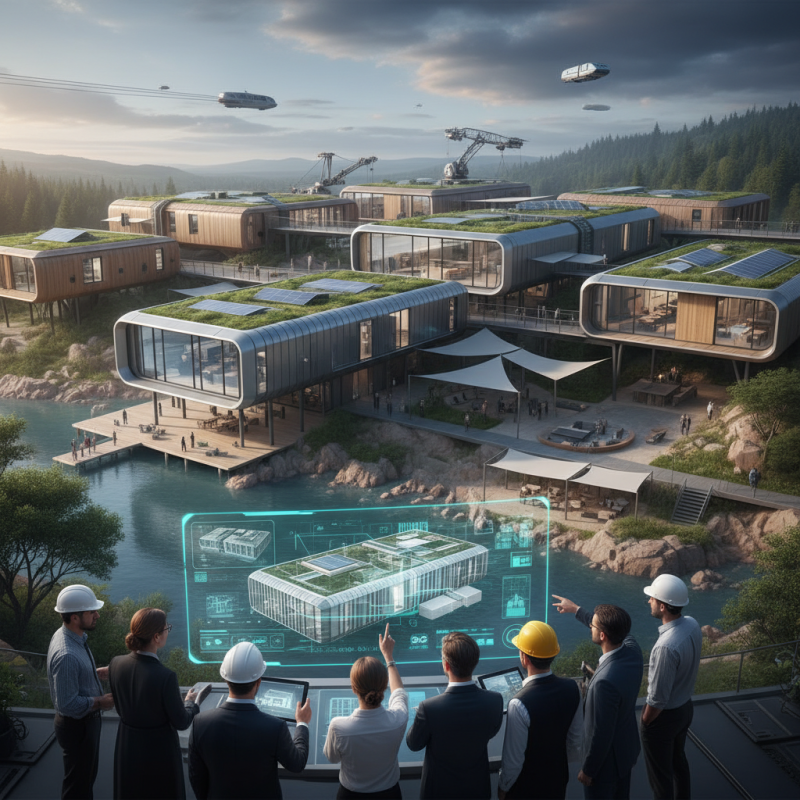
How to Customize Your Prefabricated Building Project in 2026?

Understanding Prefabricated Building Basics

Prefabricated buildings are changing the construction landscape. These structures are manufactured off-site, which allows for quicker assembly and often better quality control. In 2022, the global prefabricated building market was valued at approximately $143 billion and is expected to reach over $210 billion by 2026. This rapid growth highlights rising demand for efficient construction methods.

Understanding prefabricated building basics is crucial for successful project customization. Modular components can be tailored to fit specific design and functional needs. For example, homes can feature tailored layouts to maximize space efficiency. You can select finishes, fixtures, and systems that align with sustainability goals. However, knowing the local regulations and site conditions is essential. Customization may be limited by zoning laws or environmental restrictions.

It's also important to consider integration challenges. While prefabrication promises efficiency, on-site assembly may encounter unforeseen obstacles. Supply chain issues can lead to delays. Miscommunication between teams can affect the final product's quality. Experts stress the need for detailed planning and close collaboration among stakeholders. Balancing creativity and practicality is key to a successful prefabricated building project in 2026.

How to Customize Your Prefabricated Building Project in 2026? - Understanding Prefabricated Building Basics

Customization Aspect Description Importance Level Estimated Cost Impact (%)
Design Layout Adjusting the floor plan and room arrangements. High 10%
Material Selection Choosing between different materials for walls, roofs, and floors. Medium 15%
Energy Efficiency Options Incorporating energy-efficient windows and insulation. High 20%
Interior Finishes Selecting painting, flooring, and cabinetry options. Medium 5%
Smart Home Features Incorporating technology for home automation. Medium 25%

Key Factors in Customizing Prefabricated Structures

Customizing prefabricated buildings in 2026 requires careful consideration of various key factors. Flexibility in design is essential. According to a report by the Modular Building Institute, 90% of prefabricated projects can be customized to fit specific needs. This flexibility extends to dimensions, materials, and layouts. Clients often prefer open spaces, which promote creativity and functionality.

Energy efficiency is another critical factor. As sustainability becomes a priority, incorporating solar panels and energy-efficient insulation can enhance the building's performance. Data from the U.S. Department of Energy shows that energy-efficient buildings can save up to 40% on energy costs. However, integrating these technologies requires upfront investment, which may not always align with budget constraints.

Furthermore, the integration of smart technologies is gaining traction. Automated systems can improve security and energy management. A survey by the Smart Building Alliance indicates that 70% of users find smart building features essential. Balancing technology with cost can be challenging, as some clients may prioritize aesthetics over functionality. Effectively navigating these complexities is crucial for a successful prefabricated building project.

Design Options for Your Prefabricated Building Project

In 2026, customizing your prefabricated building project involves exploring various design options that suit your specific needs. According to a recent report by the Modular Building Institute, the market for prefabricated structures is expected to grow by 7% annually. This reflects a rising demand for flexibility in design. Customization allows clients to choose from various layouts, materials, and even energy-efficient technologies.

When considering design options, think about functionality and aesthetics. For instance, open floor plans can enhance space utilization. Additionally, incorporating sustainable materials appeals to environmentally conscious consumers. A study from the National Association of Home Builders indicates that 40% of homebuyers prefer eco-friendly features. This trend is driving the demand for innovative designs that blend comfort with sustainability.

Customization also poses challenges. Not every prefabricated structure can accommodate unique designs without increasing costs or extending timelines. It's vital to communicate your vision clearly with your project team. Be open to suggestions but remain focused on what truly matters to you in the final design. Prioritizing essential features and being willing to compromise on others will lead to a more successful project outcome.

Selecting Materials for Customization in Prefabricated Buildings

When customizing a prefabricated building, material selection plays a crucial role. Choosing the right materials affects aesthetics, durability, and sustainability. With various options available, it's essential to prioritize your project's specific needs.

Consider your location's climate. For regions with heavy rain, waterproof materials are vital. Lightweight but sturdy materials like engineered wood or insulated panels can offer excellent insulation. Don't forget about eco-friendly options. Sustainable materials, such as recycled steel or bamboo, reduce your carbon footprint.

Tips for material selection:
- Research the longevity of materials. Some might look great but won't last.
- Seek advice from professionals when in doubt. They can guide you to the best choices.
- Always ask for samples before deciding. Seeing and feeling materials makes a difference.

Don’t overlook the importance of color and texture. These elements can enhance your building's appeal. However, keep in mind that trendy colors may fade over time. Aim for timeless shades that will endure changing trends. Consider how materials react to weather changes. Warping or cracking could lead to costly repairs down the line.

Future Trends in Prefabricated Building Customization for 2026

The future of prefabricated building customization is shaped by advanced technology and changing consumer needs. In 2026, we expect to see greater integration of artificial intelligence in design processes. AI can analyze client preferences faster and more accurately. This allows for real-time adjustments during the design phase. The customization process becomes more intuitive and tailored to individual tastes.

Another trend is sustainable materials. More builders will source eco-friendly options to meet increasing environmental standards. The demand for energy-efficient buildings is rising. Customization will include choices in these materials. This may lead to challenges in balancing aesthetics with sustainability. Clients might need to prioritize their preferences against environmental impacts.

Moreover, modular construction will take center stage. Builders want to offer adaptable designs to suit diverse needs. This could mean varying layouts and adaptable spaces. However, customization must remain practical. Overly complex designs may complicate construction and inflate costs. Striking a balance between uniqueness and feasibility is essential.

Future Trends in Prefabricated Building Customization for 2026

FAQS

: What is essential for customizing prefabricated buildings?

: Flexibility in design is crucial. It allows clients to adapt dimensions, materials, and layouts.

How can energy efficiency impact prefabricated buildings?

Energy-efficient features can save up to 40% on energy costs but require upfront investments.

What role do smart technologies play in prefabricated construction?

Smart technologies improve security and energy management, with 70% of users finding them essential.

Why is communication important in design customization?

Clear communication helps align the project team with your vision and maintain focus on essential features.

What design options are most beneficial for prefabricated buildings?

Open floor plans enhance functionality and space utilization, and sustainable materials appeal to eco-conscious buyers.

What are some challenges of customization in prefabricated buildings?

Unique designs can increase costs and timelines, so it's important to balance creativity with practicality.

How is artificial intelligence expected to influence prefabrication by 2026?

AI will allow for faster analysis of preferences and real-time adjustments in the design process.

What should clients consider when choosing sustainable materials?

Clients must weigh aesthetic preferences against environmental impacts when selecting materials.

What trends are emerging in prefabricated building customization?

A focus on modular construction and adaptable designs is a significant upcoming trend in the industry.

Why is it important to balance uniqueness with feasibility in design?

Overly complex designs can complicate construction and increase costs, potentially affecting project success.

Conclusion

In "How to Customize Your Prefabricated Building Project in 2026," the article delves into the essential aspects of tailoring prefabricated structures to meet specific needs. It begins by providing a foundational understanding of prefabricated buildings, highlighting the advantages of this construction method. The article discusses key factors in customizing these structures, including site conditions and architectural requirements, which play a critical role in the design process.

Moving on, it explores various design options available for future projects, allowing for greater flexibility and creativity. Additionally, the selection of materials is emphasized as a vital component in achieving the desired aesthetic and functional outcomes. Finally, the article looks ahead to future trends in prefabricated building customization for 2026, ensuring readers are equipped with the knowledge on how to customize a prefabricated building project effectively, preparing them for upcoming innovations in the industry.

Mason

Mason

Mason is a seasoned marketing professional with a deep expertise in the company's offerings and a passion for driving brand awareness. With a strong background in digital marketing strategies, he has an innate ability to connect with diverse audiences and effectively communicate product benefits.......