Understanding what is a steel structure building begins with its practical role in modern construction. These buildings use fabricated steel columns, beams, braces, and connection systems to create strong, adaptable spaces. They often serve warehouses, workshops, logistics centers, commercial halls, and multi-story facilities. Compared with traditional construction, steel systems can reduce site time and support wider interior spans. However, performance depends on design accuracy, material quality, fabrication control, and installation experience.
This guide examines China’s top 10 steel structure building suppliers through a practical and evidence-based lens. It considers engineering capability, production capacity, project experience, quality management, export service, and after-sales support. A reliable supplier should provide clear drawings, traceable steel grades, welding inspection records, and realistic delivery schedules. Factory details matter. Look for organized cutting lines, protected welding areas, coating inspection points, and careful packing for overseas transport. Certifications can help, but certificates alone do not prove consistent workmanship.
No list is perfect. Supplier rankings may change with project scope, region, budget, and current performance. A company experienced in large warehouses may not suit a small commercial building. Buyers should request recent references, inspect technical documents, and compare quotations beyond the lowest price. Questions about wind loads, seismic design, drainage, fire protection, and maintenance deserve direct answers. This introduction prepares readers to assess leading Chinese suppliers with greater confidence, while recognizing that careful verification remains essential. Small details matter.
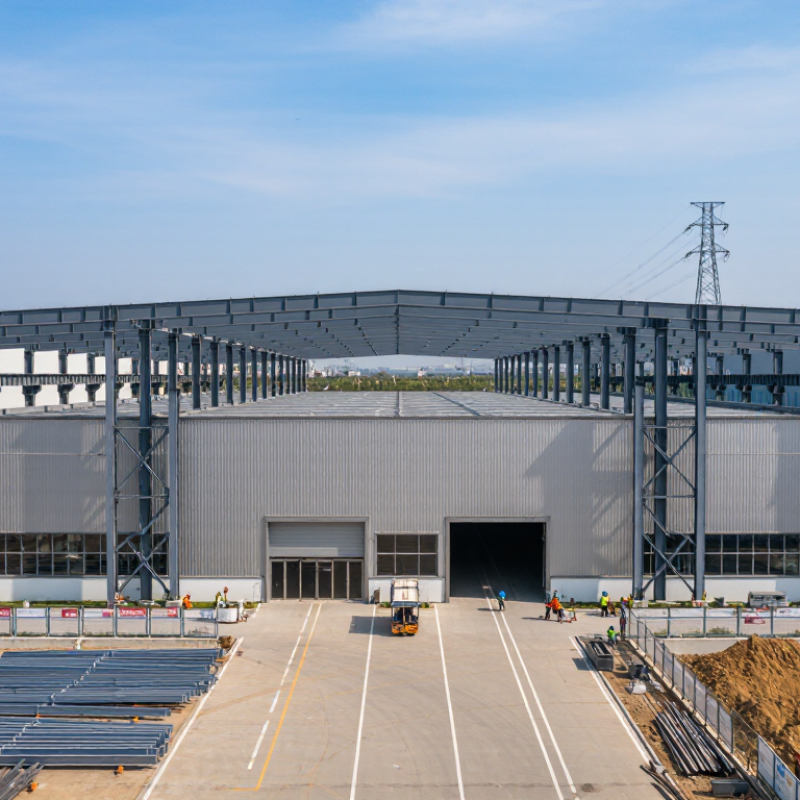
Steel structure buildings use connected columns, beams, bracing, and roof members to carry loads. Common forms include portal frames for clear-span warehouses, multi-storey frames for offices, and long-span trusses for halls. The World Steel Association’s Steel in Construction fact sheet estimates that construction accounts for about half of global steel demand. That scale matters. Small design choices repeat across many members.
Steel grade is not a complete design check. Under EN 10025-2, S235 and S355 indicate minimum yield strengths of 235 and 355 MPa for specified product thicknesses; values can change as sections become thicker. Engineers must also check buckling, connections, fatigue, corrosion protection, and fire performance. A beam may meet its strength target yet still deflect too much. Details matter. For example, a bolted end plate must transfer forces without creating local failure around its holes. Project teams should verify mill certificates, material thickness, and the applicable standard edition. The numbers are useful, but they do not design the building. A practical review can still miss a detail.
China produced about 1.02 billion tonnes of crude steel in 2023, according to industry reporting. That figure shows the scale behind the country’s steel structure sector. It does not, by itself, reveal the quality of every beam, plate, or finished building component. Production volume and dependable project delivery are different measures.
For construction buyers, the number matters because it points to a deep manufacturing base. Large mills supply structural plate and sections, while fabrication workshops cut, drill, and weld components to project drawings. A steel frame may arrive as marked columns, roof trusses, and connection plates, ready for site assembly. Small details matter. Hole alignment and weld inspection can affect installation speed as much as steel availability.
The scale also deserves a careful reading. Output figures combine steel made for many uses, not just buildings, and capacity can vary by region and product type. Buyers should verify material certificates, dimensional tolerances, coating specifications, and inspection records for each order. A supplier’s production volume is useful context, but it cannot replace project-specific checks. Even a strong industrial base has uneven spots.
Ranking China’s top steel structure suppliers requires more than comparing factory size. The World Steel Association’s World Steel in Figures 2025 reports that China produced about 1,005 million tonnes of crude steel in 2024. That figure shows the scale of the national industry, not any supplier’s fabrication capacity. Ask for audited annual output, workshop area, major equipment, and recent project records. A tour should reveal practical details: plate-cutting lines, welding stations, inspection tools, and storage space for finished components. Numbers need context.
Certifications and export records help test supplier claims. Verify certificate scope, issuing body, validity, and whether it covers the actual factory. ISO 9001 indicates a quality-management system; it does not guarantee flawless steelwork. For export checks, UN Comtrade records trade under HS 7308, covering iron or steel structures and parts. This category is broader than building kits, so it cannot independently confirm a supplier’s building exports. Compare shipment dates, destinations, declared products, and customer references. Then check whether reported projects match the supplier’s stated capacity. The evidence can still be incomplete. A ranking should disclose gaps, rather than treating marketing claims as verified facts.
China’s leading steel structure suppliers serve projects ranging from factory workshops to logistics centers and public buildings. Their product lines commonly include portal frames, columns, roof trusses, mezzanines, and prefabricated building components. A dependable supplier explains steel grades, connection details, surface treatments, and fabrication tolerances in clear documents. These details matter when beams arrive on site and must fit without extensive rework.
Engineering services can include structural design support, shop drawings, quantity estimates, fabrication, and installation guidance. For international projects, buyers should confirm which services are included and who coordinates local design requirements. Ask for project references with similar spans, loads, and climates. Export experience is useful, but it does not replace checking production capacity, inspection records, and communication practices. Some supplier comparisons look impressive on paper. Real performance can be less tidy.
Tips: Request sample drawings and a written scope before comparing prices. Check how the supplier handles design revisions, packaging, shipping schedules, and quality inspections. Confirm whether independent testing is available. A low quotation may exclude important engineering or site support, so compare like for like. Allow time for technical questions; rushing this step can create avoidable delays.
For steel products up to 16 mm thick, the specified minimum yield strengths shown are 235 MPa for Q235 and 355–460 MPa for Q355–Q460. Actual requirements depend on product thickness and the applicable standard. These grades are commonly referenced in Chinese structural-steel specifications; the chart describes material properties, not supplier rankings.
When evaluating steel building suppliers in China, look beyond attractive quotations. ISO 9001 indicates a documented quality management system, but it does not prove that every weld or shipment is flawless. Ask for inspection records, material traceability, and examples of how defects were corrected. A clear answer matters.
For projects requiring EN 1090 compliance, confirm that the supplier’s scope and factory controls match your project requirements. Check certificates and supporting documents directly, rather than relying on a logo in a brochure. Lead times should include engineering approval, fabrication, coating, packing, and shipping. A promised delivery date can shift when drawings change; get milestones and delay procedures in writing.
Tips: Request a sample inspection plan and a realistic production schedule. Ask what a 50-year design life assumes about corrosion protection, climate, drainage, and maintenance. That figure is a design target, not a guarantee. Compare the assumptions with your site conditions, including coastal air or standing water. Even a strong supplier can miss details, so independent review is worth considering.
China produced about 1.02 billion tonnes of crude steel. This shows the industry’s scale, not the quality of every beam or building component.
No. Check the supplier’s audited output, recent projects, equipment, inspection records, and ability to meet your drawings.
Look for plate-cutting lines, welding stations, inspection tools, and proper storage. Check whether holes align and welds are inspected.
No. ISO 9001 indicates a quality-management system. Ask for material traceability, inspection records, and examples of how defects were corrected.
Verify the issuing body, validity, factory, and certificate scope. Confirm that the documents match your project requirements.
It should cover engineering approval, fabrication, coating, packing, and shipping. Get milestones and delay procedures in writing; drawing changes can shift dates.
No. It is a design target based on assumptions about corrosion protection, climate, drainage, and maintenance. Coastal air and standing water matter.
Not by themselves. HS 7308 covers many iron or steel structures and parts, not only building kits. Compare shipment details with customer references.
Rankings may include incomplete evidence or marketing claims. Compare verified capacity, project records, certificates, and factory conditions. Some gaps may remain.
This article explains what is a steel structure building and how its main types and components support industrial, commercial, and public projects. It outlines the role of structural frames, connections, roofs, and walls, and describes common steel grades with yield strengths of 235–355 MPa. The discussion also sets these topics in the context of China’s steel industry, which produced 1.02 billion tonnes of crude steel in 2023.
The article presents a practical framework for assessing China’s leading suppliers, considering production capacity, certifications, export experience, engineering services, product range, and international markets. It also highlights evaluation criteria such as ISO 9001 quality management, EN 1090 compliance, delivery lead times, and design life. Together, these factors help buyers compare suppliers and determine which capabilities best match a project’s technical, schedule, and durability requirements.

Detzer Homes