Prefabricated buildings are gaining attention in the global market. Buyers seek efficient and cost-effective solutions. The question arises: what are the benefits of prefabricated buildings?
These structures offer numerous advantages. They reduce construction time significantly, which is appealing for fast-paced projects. Prefab buildings can be assembled quickly, often in a matter of weeks. This speed can lead to earlier occupancy and revenue generation.
Cost savings are another compelling factor. They minimize waste during the building process. Materials are manufactured in controlled environments, which ensures quality and consistency. However, clients must navigate potential quality differences between manufacturers. Prefabricated buildings also provide flexibility in design, allowing for customization. This adaptability meets diverse needs but can also lead to decision fatigue.
In conclusion, the shift towards prefabricated structures reflects a desire for efficiency and sustainability. Each benefit comes with considerations that buyers must carefully weigh.
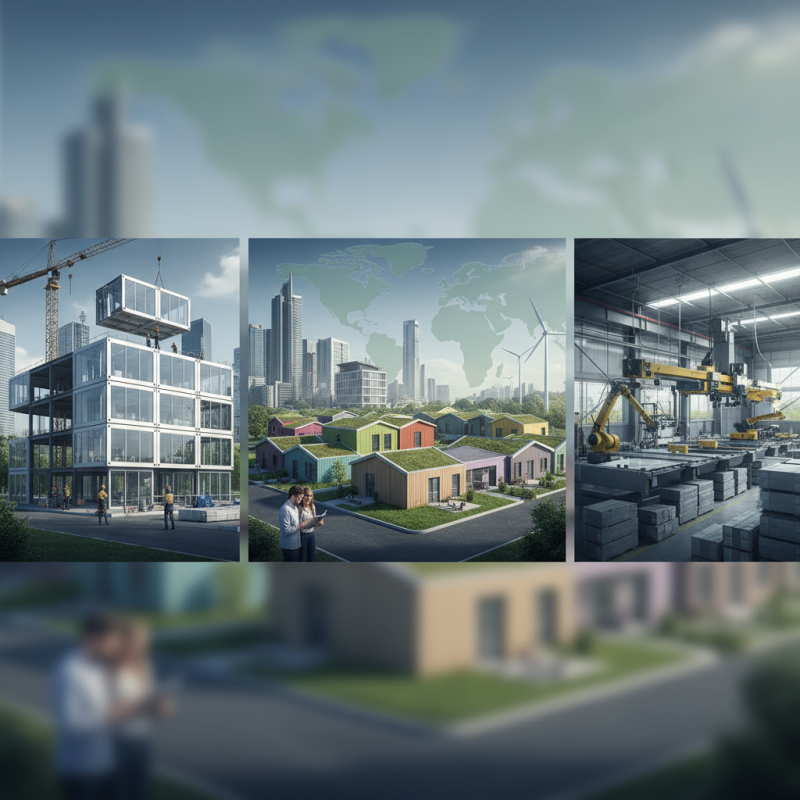
Prefabricated buildings are gaining traction among global buyers due to several compelling advantages. Industry reports indicate that the prefabricated construction market is expected to reach approximately $215 billion by 2027, growing at a compound annual growth rate of 6.7%. This trend highlights a shift towards more efficient building methods that can meet diverse needs across different regions.
One significant benefit is the speed of construction. Prefabricated components are built off-site. This approach can reduce project timelines by up to 50%, allowing faster occupancy. Additionally, buyers appreciate the reduced waste associated with prefabricated buildings. Studies suggest that these methods can cut material waste by up to 90%. This reduction aligns with growing environmental concerns among global consumers and builders.
Cost efficiency is another factor that drives interest. Although the initial investment can be higher, the long-term savings often outweigh these costs. According to the Modular Building Institute, prefabricated structures can save up to 20% in overall costs due to minimized labor expenses and accelerated project schedules. Challenges do exist, such as transportation logistics and regulations that vary by region, which can complicate the planning process. However, as market dynamics evolve, the advantages often outweigh these hurdles for buyers.
| Benefit | Description | Impact |
|---|---|---|
| Cost Efficiency | Lower overall building costs due to reduced labor and material waste. | Increased ROI for buyers. |
| Speed of Construction | Faster assembly due to off-site construction processes. | Rapid project completion and quicker occupancy. |
| Quality Control | Manufactured in controlled environments leading to higher quality standards. | Reduced defects and enhanced durability. |
| Sustainability | Reduction of waste and energy consumption during construction. | Positive environmental impact and compliance with green building standards. |
| Flexibility | Easily customizable designs to meet specific buyer needs. | Enhanced customer satisfaction and market adaptability. |
| Reduction in Labor Costs | Less on-site labor is needed due to pre-built components. | Lower overhead and project costs. |
Prefabricated buildings are gaining popularity among global buyers due to their cost-effectiveness. Traditional construction methods often involve lengthy timelines and hidden costs. In contrast, prefabricated construction significantly reduces labor expenses and minimizes wastage. Components are crafted off-site, ensuring precision and quality control. This streamlining leads to faster project completion, often saving weeks or months.
Investing in prefabricated structures can also lower site preparation costs. Since many components arrive ready to assemble, less heavy machinery is required. However, it’s essential to understand that not all prefabricated buildings are equal. Some buyers may face challenges in finding reliable suppliers who deliver quality materials. Additionally, local regulations can impact the feasibility of prefabricated options.
While the initial savings appear promising, it’s vital to consider long-term implications. Energy efficiency and maintenance costs are key factors. Would a prefabricated building remain cost-effective over time? Thus, thorough research is necessary. Awareness of hidden costs and potential drawbacks ensures informed decision-making for buyers in this evolving market.
Prefabricated buildings have gained popularity for their time efficiency. The construction process is significantly quicker compared to traditional methods. Modular components are manufactured in a factory setting and assembled onsite. This can reduce overall project timelines by weeks or even months. For global buyers, shorter delivery times translate into faster occupancy and potential revenue generation.
Despite the speed, there are challenges. Quality control can sometimes suffer if not managed properly. Buyers must ensure that manufacturers maintain high standards throughout the construction process. Prefabrication also limits customization options. Clients may need to adapt their original designs to fit the module-based system. This can lead to compromises that challenge initial visions.
Additionally, local regulations and site preparation still require time and effort. While the prefabricated approach saves days on construction, it does not eliminate all hurdles that arise. Communication with suppliers is crucial to align expectations. The focus on efficiency should not overshadow the importance of quality and design integrity in any project.
Prefabricated buildings are revolutionizing construction. Their sustainability and environmental benefits stand out. These structures use less energy during production, which reduces carbon footprints. They often incorporate recycled materials, making them environmentally friendly choices. This approach minimizes waste generation throughout the building process.
Consider these tips when exploring prefabricated buildings. Look for designs that capitalize on natural light. This method reduces reliance on artificial lighting, further saving energy. Proper insulation in prefabricated homes can significantly lower heating and cooling costs.
However, it's important to recognize potential issues. Transportation of prefabricated modules may increase emissions if not managed well. Select local manufacturers when possible to reduce transportation impact. Think critically about sustainability goals to ensure they align with your project. Balancing efficiency and eco-friendliness is key for global buyers.
Prefabricated buildings offer unique customization flexibility, making them appealing to global buyers. The ability to tailor designs can meet diverse market demands. For instance, data from industry reports shows that customizable prefabricated structures can reduce construction time by up to 30%. This efficiency is crucial for buyers seeking quick project completion.
One significant advantage of prefabrication is the adaptability in design. According to a report by the International Energy Agency, about 60% of construction projects benefit from modular solutions that fit various architectural styles. This ability to personalize designs helps cater to regional tastes. However, it is essential to balance customization with cost efficiency. Custom features might increase production expenses.
Quality control in prefabricated buildings also deserves attention. Reports have shown that almost 70% of prefabricated projects face challenges related to on-site assembly and integration. Thus, while customization is vital, it carries the responsibility of ensuring structural integrity. Buyers must consider these factors when selecting prefabrication as a viable option.
Prefabricated buildings have gained traction globally, attracting diverse buyers. However, the quality control and safety standards in prefabricated manufacturing are critical for ensuring that these structures meet expectations. According to a report by the International Organization for Standardization, over 70% of prefabricated components failed to meet initial quality benchmarks. This statistic highlights the need for strict quality measures at every production stage.
Effective quality control starts with raw materials. Manufacturers must source high-quality materials, as they impact structural integrity. Regular inspections throughout the manufacturing process can help identify flaws early. Implementing advanced technologies, such as 3D modeling and automated inspections, can enhance consistency. Yet, approximately 15% of companies still rely on outdated practices, leading to potential safety risks.
Safety standards also play a vital role. The Occupational Safety and Health Administration outlines essential guidelines that should be adhered to during construction. Compliance ensures durable and secure buildings. Nevertheless, many prefabricated structures still fall short of these rigorous safety norms. This inconsistency raises concerns about their long-term performance. Continuous training of the workforce in safety protocols is equally vital yet often overlooked. Investing in these areas can lead to significant improvements in the prefabrication sector.
: Prefabricated buildings are constructed faster than traditional methods. Components are made in factories and assembled on-site, saving weeks or months.
Yes, quality control can be an issue if not managed well. Buyers must ensure manufacturers maintain high standards throughout the process.
Yes, clients may need to adjust original designs to fit modular systems. This might lead to compromises in their initial visions.
Yes, local regulations and site preparation can still take time. Prefabrication speeds up construction, but it doesn’t eliminate all hurdles.
Effective communication is crucial to align expectations. It helps ensure that quality and design integrity are not overlooked during the project.
Quality control is critical. Over 70% of prefabricated components can fail to meet quality benchmarks without strict measures in place.
High-quality raw materials are essential for structural integrity. Sourcing poor materials can lead to safety issues down the line.
Yes, advanced technologies like 3D modeling enhance consistency. However, about 15% of companies still rely on outdated practices.
Compliance with safety guidelines from organizations is essential. Many buildings still fail to meet safety norms, raising long-term performance concerns.
Yes, continuous safety training is vital but often overlooked. Investing in workforce training can improve safety in the prefabrication sector.
Prefabricated buildings offer numerous advantages for global buyers, primarily revolving around cost-effectiveness, time efficiency, and sustainability. One of the key benefits of prefabricated buildings is their ability to reduce overall construction costs when compared to traditional methods. These structures can be assembled in a shorter timeframe, allowing for quicker project completion, which is particularly advantageous in fast-paced markets.
Additionally, prefabricated buildings are designed with sustainability in mind, employing eco-friendly materials and processes that minimize environmental impact. They also provide customization flexibility, enabling tailored solutions to meet the diverse needs of various markets. Furthermore, rigorous quality control and safety standards in prefabricated manufacturing ensure that buyers receive high-quality structures. In summary, when asking what are the benefits of prefabricated buildings, one can highlight their efficiency, cost savings, customization options, and commitment to sustainable practices.

Detzer Homes